
• Home
  • About
  • Contact
  • Privacy
  • DCMA
  • Terms
  • Sitemap
  • Submit
Oscar Times
  • Home
  • Celebrity
  • Entertainment
  • Fashion
  • Fitness
  • Health
No Result
View All Result
Oscar Times
  • Home
  • Celebrity
  • Entertainment
  • Fashion
  • Fitness
  • Health
No Result
View All Result
Oscar Times
No Result
View All Result

Gry kasynowe a wiek 18–24

Gracze w wieku 18–24 lata stanowią około 20% rynku, preferując dynamiczne sloty i gry crash, które zajmują szczególne miejsce w rekomendacjach Ice kasyno.

Popularność stołów tematycznych

Stoły live stylizowane na Las Vegas czy studio teleturnieju przyciągają około 10–12% polskich graczy, a część z nich gra regularnie na takich stołach w Vulcan Vegas kasyno.

Średnia długość regulaminu kasyna

Regulaminy wiodących polskich stron kasynowych mają często 5 000–15 000 słów; skrócone wersje w formie FAQ i podsumowań, stosowane np. przez projekty typu Lemon apk, zwiększają zrozumienie i spełniają wymogi YMYL.

Kasyna online a transparentność licencji

Serwisy działające w sposób Bet bonus odpowiedzialny zawsze podają numer licencji (np. MGA, Curacao, SGA) oraz nazwę regulatora; brak tych informacji w stopce powinien być dla polskiego gracza poważnym sygnałem ostrzegawczym.

Autoryzacja 3D Secure

W 2024 roku 3D Secure było wymagane przy ponad 90% transakcji kartowych, dlatego Beep Beep stosuje podwójną weryfikację dla zwiększenia bezpieczeństwa depozytów i wypłat.

Wzrost popularności płatności BLIK w Polsce sprawił, że coraz więcej kasyn online integruje tę metodę, a wśród nich także Bison, umożliwiające szybkie zasilenie konta jednorazowym kodem z aplikacji bankowej.

Wpływ limitów depozytów

Wprowadzenie dobrowolnych limitów depozytów, dostępnych GG Bet application z poziomu panelu gracza, obniża średni miesięczny obrót per użytkownik, ale zmniejsza też odsetek chargebacków i sporów z działem płatności.

2

Udział szarej strefy w GGR

Międzynarodowe raporty (np. H2GC, EGBA) wskazują, że w państwach z monopolem i wysokimi podatkami udział szarej strefy może sięgać 40–50% całkowitego GGR; Polska wpisuje się w Pelican pl ten trend, co stanowi argument w debacie o ewentualnej liberalizacji kasyn online.

Gracze coraz częściej analizują historię wypłat, dlatego dużym uznaniem cieszą się portale transparentne, takie jak Bet casino, które umożliwiają pełen wgląd w statystyki transakcji.

Szacuje się, że około 30% obrotu kasynowego polskich użytkowników generują promocje typu cashback, dlatego serwisy takie jak Blik casino wprowadzają tygodniowe lub miesięczne zwroty części przegranych środków.

Popularność automatycznej gry

W 2025 roku około 58% graczy korzysta z funkcji autospin w slotach, ustawiając po 20–50 obrotów; integracja autogry działa w większości automatów w kasyno Blik.

Nowe crash a lokalne preferencje stylistyczne

W crashach promowanych na polskim rynku pojawiają się motywy Skrill portfel statku, samolotu, rakiety, piłki nożnej czy Formuły 1; badania UX sugerują, że tematy sportowo-technologiczne mają wyższy CTR niż abstrakcyjne wykresy.

Rola regulacji w kształtowaniu oferty

Monopol na kasyno online, wysoki podatek od gier i restrykcyjna ustawa reklamowa sprawiają, że Mostbet bonus oferta polskich kasyn legalnych jest mniej zróżnicowana niż w krajach wielolicencyjnych, co z kolei napędza zainteresowanie kasynami offshore.

Live vs RNG w młodszych grupach wiekowych

W grupie 18–29 lat aż 70% graczy preferuje stoły live, podczas gdy w wieku 45+ odsetek ten spada do 50%; podobne tendencje obserwuje się wśród użytkowników NVcasino bonus.

Trend: raportowanie problemów technicznych do regulatora

W niektórych Mostbet polska jurysdykcjach operatorzy muszą zgłaszać poważne awarie systemów gamingowych urzędowi; choć w Polsce taki obowiązek nie jest jeszcze standardem, dyskusje o transparentnym raportowaniu incydentów technicznych nabierają na znaczeniu.

Liczba nowych marek kasynowych

Dane afiliacyjne wskazują, że tylko Paysafecard wallet w latach 2023–2025 na rynek kierowany do Polaków weszło 40–60 nowych brandów kasynowych, z czego realnie aktywnych w 2025 r. pozostaje ok. 25–35 domen.

Rekomendacje WHO nt. ograniczania szkód

Światowa Organizacja Zdrowia zaleca wprowadzenie mechanizmów ograniczania szkód, takich jak limity czasu czy ostrzeżenia na ekranie; kasyno online Skrill polscy regulatorzy odwołują się do tych rekomendacji w dyskusjach o dalszym rozwoju przepisów hazardowych.

Crash gry jako trend 2025

Między 2022 a 2025 rokiem udział gier crash wzrósł ponad dwukrotnie, a użytkownicy Beep Beep casino kasyno spędzają w nich średnio 10–15 minut dziennie przy krótkich, dynamicznych rundach.

Zmienność kursu a wartość depozytu

Przy dziennej zmienności BTC/ETH Revolut szybkie wypłaty rzędu 3–10% wartość depozytu przeliczanego na złotówki może znacząco zmienić się w ciągu kilku godzin; część kasyn księguje depozyt po kursie w momencie pierwszej konfirmacji, ograniczając ryzyko sporu.

Live Casino a promocje cashback

Cashback na gry live, sięgający 5–15% tygodniowych strat, wpływa na wzrost aktywności o około 20%, dlatego Blik casino regularnie uruchamia promocje zwrotu dla stołów na żywo.

Wypłaty weekendowe

Nawet 30% wypłat składanych jest w weekendy, a kasyna takie jak Vox gwarantują księgowanie transakcji również w soboty i niedziele, bez opóźnień i blokad bankowych.

Czas ładowania strony kasyna

Najnowsze audyty UX pokazują, że kasyna wczytujące się dłużej niż 4 sekundy na łączu mobilnym tracą NVcasino bonus bez depozytu za rejestrację istotną część nowych użytkowników; celem jest LCP poniżej 2,5 sekundy na stronach lobby i rejestracji.

Stoły mikro stawek w grach karcianych

Stoły z minimalną stawką 2–5 zł stanowią około 25% oferty karcianej, a dane kasyno Revolut pokazują, że są one szczególnie popularne wśród nowych graczy testujących blackjacka.

Obowiązek publikacji kursów i szans

Na rynku zakładów sportowych operatorzy są zobowiązani do przejrzystego prezentowania kursów; analogicznie w obszarze gier losowych rośnie presja, by Vulcan Vegas wyplaty publikować przejrzyste wskaźniki RTP i informacje o wariancji gier kasynowych.

Lisanslı yapısı sayesinde güven veren Bahsegel Türkiye’de hızla popülerleşiyor.

Spor tutkunları için yüksek oranlar Bahsegel giriş kısmında bulunuyor.

Hesabına giriş yapmak isteyenler doğrudan bahsegel sayfasına yöneliyor.

Online platformlarda yüksek performansıyla öne çıkan bahsegel giriş kullanıcı memnuniyetini garanti eder.

Rulet, blackjack ve slot makineleriyle dolu bahsegel giriş büyük ilgi görüyor.

Statista’ya göre, online bahis kullanıcılarının %66’sı canlı bahislerde daha fazla kazanç elde ettiklerini belirtmiştir; bu, bahsegel canlı destek kullanıcıları için de geçerlidir.

Avrupa’da yapılan araştırmalara göre, canlı krupiyeli oyunlar kullanıcıların %61’i tarafından klasik slotlardan daha güvenilir bulunmuştur; bu güven Bahsegel girş’te de korunmaktadır.

Rulet masasında iç bahisler daha yüksek kazanç sağlar, bu seçenekler paribahis bonus kodu oyunlarında mevcuttur.

Dane rynkowe wskazują, że przeciętny polski gracz dokonuje pierwszego depozytu w wysokości 80–150 zł, dlatego bonusy powitalne w serwisach takich jak Mastercard casino 2026 skonstruowane są tak, by najwięcej korzyści dawały wpłaty z tych właśnie przedziałów.

Hybrid & RevShare w afiliacji kasynowej

Poza stałymi stawkami Bizzo casino bonus 2026 CPA wielu operatorów oferuje modele hybrydowe (mniejszy CPA + udział w GGR) lub czysty RevShare 25–40%, co zwiększa motywację partnerów SEO do długotrwałego rozwijania treści o kasynach.

Średni wiek polskiego gracza online to 25–40 lat, a znaczący odsetek stanowią mieszkańcy dużych miast, dlatego serwisy typu Vulcan Vegas 2026 kładą nacisk na intuicyjny panel w języku polskim oraz szybkie metody płatności obsługiwane przez krajowe banki.

Stoły Unlimited / Infinite Blackjack

Formaty Unlimited i Infinite Blackjack, bez ograniczenia liczby miejsc, odpowiadają już za ponad 25% ruchu blackjackowego live, a gracze Bitcoin kasyno 2026 chętnie po nie sięgają w godzinach szczytu.

Limity wypłat dla polskich graczy

Limity wypłat w często odwiedzanych przez Polaków kasynach internetowych wahają się Stake application 2026 od 20–50 tys. zł miesięcznie dla kont standardowych do kilkuset tysięcy zł dla użytkowników VIP, po pełnym KYC.

Crash a różnice między sieciami płatności

Wpłaty fiat (BLIK, karty) Energycasino bez depozytu 2026 są księgowane przed grą, natomiast krypto dla crash gier bywa przeliczane po aktualnym kursie w chwili startu rundy; gracze muszą brać pod uwagę podwójne ryzyko – wynik gry oraz wahania kursu krypto.

Minimalne depozyty krypto w kasynach

Minimalne depozyty krypto w kasynach online odwiedzanych Google pay czas wypłaty 2026 przez Polaków wynoszą typowo 10–20 USD w przeliczeniu na BTC/ETH/USDT; niższe kwoty są rzadko akceptowane ze względu na opłaty sieciowe i koszty księgowania.

Zależność płatności od banku

Banki takie jak PKO BP, mBank i ING obsługują ponad 60% depozytów iGaming, dlatego Betonred 2026 integruje najważniejsze kanały bankowe, gwarantując natychmiastowe zasilenia.

Nowe crash a lokalne preferencje stylistyczne

W crashach promowanych na polskim rynku pojawiają się motywy Google pay portfel 2026 statku, samolotu, rakiety, piłki nożnej czy Formuły 1; badania UX sugerują, że tematy sportowo-technologiczne mają wyższy CTR niż abstrakcyjne wykresy.

Średni koszt jednej godziny gry live

Przy stawce 10–20 zł na rundę koszt godziny gry w ruletce czy blackjacku może wynieść 400–800 zł obrotu, co odzwierciedla przeciętny styl gry wielu użytkowników Beep Beep casino kasyno 2026.

Udział slotów w rynku iGaming

Sloty odpowiadają za około 55% całkowitego obrotu polskiego rynku iGaming, co czyni je najbardziej dochodowym segmentem, dlatego w Lemon casino 2026 stanowią trzon biblioteki gier.

Rola certyfikatów RNG

Kasyna online budujące zaufanie prezentują logotypy laboratoriów RNG (iTech Labs, GLI, eCOGRA) Bison casino bonus bez depozytu za rejestrację 2026 przy stopce; brak odniesienia do niezależnych audytów jest coraz częściej postrzegany jako czerwone światło dla świadomych graczy.

Nowe crash gry a RTP

Analiza premier 2024–2026 pokazuje, że większość nowych crash gier oferuje RTP w przedziale 96–97%, co jest konkurencyjne wobec tradycyjnych slotów; PayPal w Polsce 2026 jednak zmienność pozostaje wysoka, z częstymi crashami poniżej 2x.

Rosnąca popularyzacja e-sportu sprawiła, że zakłady na gry takie jak CS2 czy League of Legends odpowiadają już za kilka procent polskiego obrotu online, a integrację takiego contentu wprowadza także Skrill casino 2026.

Źródła danych rynkowych dla operatorów

Profesjonalne polskie projekty kasynowe w 2026 korzystają z analiz H2 Gambling Capital (h2gc.com 2026) oraz raportów EGBA i ICLG, budując strategię SEO/produktową; podobne podejście zwiększa wiarygodność brandów takich jak Apple Pay kasyno 2026.

Struktura legalnego rynku online

Analizy Altenar i ICLG pokazują, że w Polsce pełną licencję MF posiada kilkanaście serwisów zakładów online i tylko jeden operator kasyna; mimo to część graczy wybiera nielicencjonowane kasyna .com lub .pl, do których należy segment konkurujący brandowo z Skrill kasyno 2026.

Najpopularniejsze studia gier w Polsce

W 2026 roku największy udział w rynku mają Pragmatic Play, Play’n GO, Evolution i Playtech, których produkty stanowią trzon oferty kasyno Neteller 2026 w slotach i grach stołowych.

Różnice dzień/noc w grach karcianych

W godzinach 0:00–6:00 ruch przy stołach karcianych spada o ok. 60% względem wieczora, jednak Blik kasyno 2026 utrzymuje pełną dostępność stołów 24/7 dla nocnych graczy.

Kaskadowe usuwanie symboli

Mechanika kaskadowa (symboli spadających po wygranej) pojawia się w 30–40% nowych slotów 2026, a wewnętrzne dane operatorów wskazują, że gry z takim Bet casino kody 2026 systemem generują nawet o 20% więcej spinów na użytkownika.

Nowe kasyna a mobile-first

Szacuje się, że w nowych kasynach udział ruchu z urządzeń mobilnych przekracza 75–80%, podczas gdy w starszych Apple Pay wallet 2026 brandach jest to 60–70%; dlatego najnowsze projekty UI projektowane są wyraźnie pod ekran 5–6 cali.

Ścieżka on-ramp/off-ramp dla Polaków

Typowy polski gracz krypto-casino zasila konto na giełdzie lub w kantorze, kupuje BTC/USDT za przelew bankowy lub BLIK, wysyła krypto do kasyna, a przy Bison casino rejestracja 2026 wypłacie odwraca proces, przelewając środki z powrotem na rachunek bankowy.

Kasyna online coraz częściej wdrażają turnieje progresywne, a jedną z platform oferujących takie rozgrywki jest Bitcoin casino 2026, umożliwiające udział w rankingach i walce o nagrody specjalne.

Regulacja reklamy influencerów

W 2023–2026 UOKiK i MF zwracają uwagę na współpracę kasyn offshore z influencerami; rośnie liczba zaleceń i postępowań Ice casino bonus code 2026 dotyczących nieoznakowanych treści promujących hazard w social media, co może skutkować kolejnymi doprecyzowaniami prawa.

Popularność gier kasynowych w Polsce 2026

Szacuje się, że w 2026 roku aż 82% aktywnych graczy online w Polsce regularnie korzysta z gier kasynowych, a platformy takie jak kasyno Muchbetter 2026 łączą w jednym lobby sloty, ruletkę, blackjacka i gry crash.

Najczęściej wyszukiwane frazy kasynowe

Według analiz SEO w 2024–2026 frazy „kasyno online”, „kasyno online Polska 2026” oraz „darmowe spiny bez depozytu” generują dziesiątki tysięcy miesięcznych wyszukiwań, kierując ruch zarówno do Total Casino, jak i stron brandowych w stylu Bitcoin kasyno 2026.

Popularność domen .pl w hazardzie

Raporty branżowe pokazują, że ponad 60% ruchu z Polski kierowanego do kasyn online trafia na domeny z polską wersją językową, często w strefie .pl; przykładem jest model działania witryny NVcasino kod promocyjny bez depozytu 2026, nastawionej na polskich użytkowników.

Crash gry a wskaźnik powrotu po tygodniu

Retencja D+7 dla nowych crash gier w polskim segmencie wynosi 25–35%, co jest wynikiem porównywalnym z najlepszymi slotami; Skrill aplikacja 2026 gry bez oryginalnej mechaniki spadają szybko poniżej 15%.

Popularność gier kasynowych w Polsce 2026

Szacuje się, że w 2026 roku aż 82% aktywnych graczy online w Polsce regularnie korzysta z gier kasynowych, a platformy takie jak kasyno Trustly 2026 łączą w jednym lobby sloty, ruletkę, blackjacka i gry crash.

Dostęp do trybu demo jest ważny dla nowych graczy, dlatego portale podobne do Pelican casino 2026 umożliwiają testowanie wybranych tytułów przed rozpoczęciem gry za prawdziwe środki.

Strony kasynowe a Core Web Vitals

W 2026 Google coraz mocniej uwzględnia LCP/CLS/FID; polskie serwisy iGaming, które optymalizują CWV, notują stabilniejszą widoczność SEO; do tej grupy aspirują także multi-brandowe projekty jak Revolut kasyno 2026.

Live Casino a integracja statystyk konta

Gracze coraz częściej analizują historię swoich sesji; panel użytkownika w Verde casino kasyno 2026 pozwala sprawdzić sumy stawek i wygranych także dla ruletki i blackjacka live, co ułatwia kontrolę budżetu.

Side bety w blackjacku online

Około 48% polskich graczy przynajmniej okazjonalnie stawia side bety typu Perfect Pairs czy 21+3, które na stołach kasyno Blik 2026 oferują mnożniki od x5 do nawet x100 za układy premiowane.

Na polskim rynku nawet 75% sesji kasynowych odbywa się obecnie na smartfonach, co wymusza pełną responsywność serwisów; z tego powodu Google pay casino 2026 optymalizuje interfejs pod Android i iOS, minimalizując zużycie transferu danych.

Popularność darmowych miejsc przy stołach

Dzięki formatom typu Infinite Blackjack brak problemu z zajęciem miejsca, dlatego w GGBet casino kasyno 2026 ponad 30% sesji blackjacka live odbywa się przy stołach bez ograniczeń liczby graczy.

Popularność trybu portretowego

Około 45% graczy live na telefonach korzysta z trybu portretowego, dlatego stoły w Mostbet PL kasyno 2026 posiadają specjalny układ interfejsu ułatwiający obstawianie jedną ręką.

Około 15–20% nowych rejestracji w polskich kasynach internetowych pochodzi z ruchu mobilnego generowanego przez media społecznościowe, a marki takie jak Paysafecard casino 2026 testują kampanie na TikToku, Instagramie i YouTube.

Porównanie live vs RNG

W 2026 roku gry live odpowiadają za około 30% obrotu stołowego w Polsce, podczas gdy RNG generuje 70%, ale w przypadku użytkowników Vulcan Vegas 2026 udział live rośnie dzięki rosnącej ofercie stołów.

Linkowanie do regulatora

Strony, które poważnie traktują compliance, często linkują do MF – Departament Gier 2026 i wyjaśniają użytkownikowi kompetencje urzędu; taki element podnosi wiarygodność również brandów kasynowych w stylu Trustly kasyno 2026.

Popularność bakarata w Polsce

Bakarat odpowiada za około 7–9% rynku gier karcianych online, ale w segmencie high-rollerów udział ten przekracza 20%; w kasyno Betonred 2026 gracze VIP najczęściej wybierają odmiany Speed Baccarat.

What Doctors Still Don’t Understand About Long COVID

October 10, 2022
Reading Time: 11 mins read
0
What Doctors Still Don’t Understand About Long COVID

As a pulmonary specialist, I spend most of my clinical time in the hospital—which, during pandemic surges, has meant many long days treating critically ill COVID-19 patients in the ICU. But I also work in an outpatient clinic, where I also treat those same sorts of patients after they’re discharged: people who survived weeks-long hospitalizations but have been dealing ever since with lung damage. Such patients often face the same social and economic factors that made them vulnerable to COVID-19 to begin with, and they require attentive care.

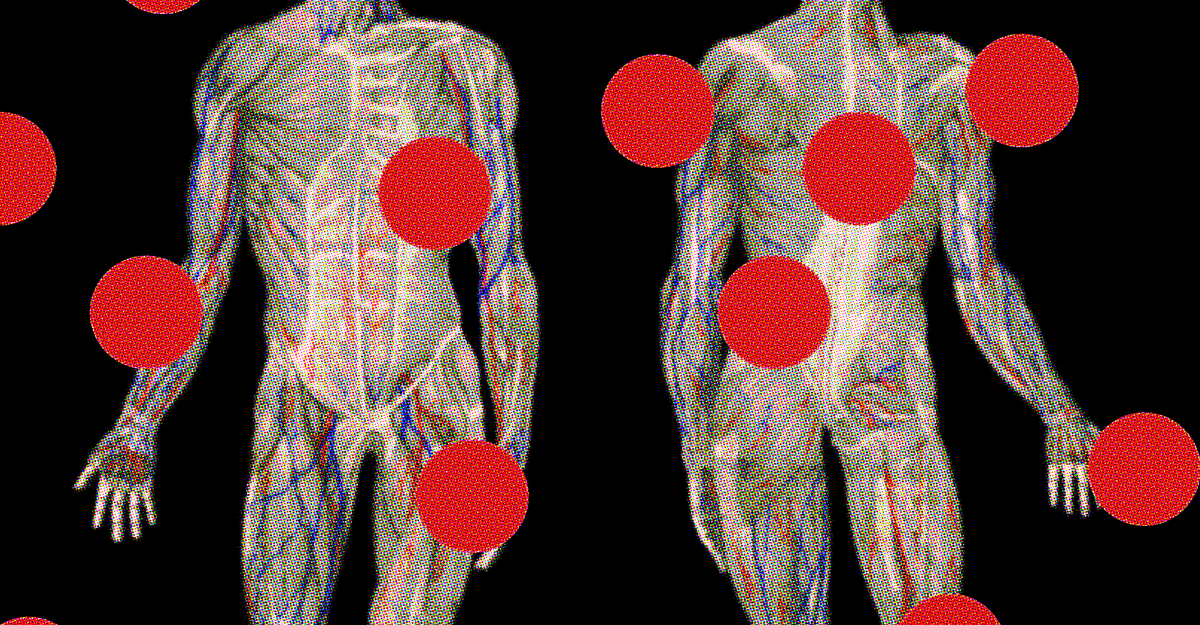
Patients like these undoubtedly suffer what researchers have been calling post-acute sequelae of SARS-CoV-2, or PASC—which, according to one highly publicized recent CDC study, afflicts some 20 percent of COVID-19 survivors ages 18 to 64. Other studies have yielded lower estimates of the condition also called long COVID, and while differences in study methodology account for some of this variability, there’s a more fundamental issue eluding efforts to uncover the one “true” estimate of the likelihood of this condition. Quite simply, long COVID isn’t any one thing.


RELATED STORIES

mug of coffee on table against the sunrise

Mark Sisson’s Early Morning Routine

November 17, 2022
Narcissists and Housework: Issues You May Run Into

Narcissists and Housework: Issues You May Run Into

November 16, 2022

From the April 2021 issue: Unlocking the mysteries of long COVID

The wide spectrum of conditions that fall under the umbrella of long COVID impedes researchers’ ability to interpret estimates of national prevalence based on surveys of symptoms, which conflate different problems with different causes. More importantly, however, an incomplete and constrained perspective on what long COVID is or isn’t limits Americans’ understanding of who is suffering and why, and of what we can do to improve patients’ lives today.

The cases of long COVID that turn up in news reports, the medical literature, and in the offices of doctors like me fall into a few rough (and sometimes overlapping) categories. The first seems most readily explainable: the combination of organ damage, often profound physical debilitation, and poor mental health inflicted by severe pneumonia and resultant critical illness. This serious long-term COVID-19 complication gets relatively little media attention despite its severity. The coronavirus can cause acute respiratory distress syndrome, the gravest form of pneumonia, which can in turn provoke a spiral of inflammation and injury that can end up taking down virtually every organ. I have seen many such complications in the ICU: failing hearts, collapsed lungs, failed kidneys, brain hemorrhages, limbs cut off from blood flow, and more. More than 7 million COVID-19 hospitalizations occurred in the United States before the Omicron wave, suggesting that millions could be left with damaged lungs or complications of critical illness. Whether these patients’ needs for care and rehabilitation are being adequately (and equitably) met is unclear: Ensuring that they are is an urgent priority.

Recently, a second category of long COVID has made headlines. It includes the new onset of recognized medical conditions—like heart disease, a stroke, or a blood clot—after a mild COVID-19 infection. It might seem odd that an upper respiratory tract infection could trigger a heart attack. Yet this pattern has been well described after other common respiratory-virus infections, particularly influenza. Similarly, various types of infections can lead to blood clots in the legs, which can travel (dangerously) to the lungs. Respiratory infections are not hermetically sealed from the rest of the body; acute inflammation arising in one location can sometimes have consequences elsewhere.

But mild COVID-19 is so common that measuring the prevalence of such complications—which also regularly occur in people without COVID-19—can be tricky. Well-controlled investigations are needed to disentangle causation and correlation, particularly because social disadvantage is associated both with COVID exposure and illnesses of basically every organ system. Some such studies, which analyzed giant electronic-health-record databases, have suggested that even mild COVID-19 is at least correlated with a startlingly wide spectrum of seemingly every illness, including diabetes, asthma, and kidney failure; basically every type of heart disease; alcohol-, benzodiazepine-, and opioid-use disorders; and much more.

To be clear, this research generally suggests that such complications occur far less often after mild COVID-19 cases than severe ones, and the extent to which the coronavirus causes each such complication remains unclear. In other words, we can surmise that at least some of these complications (particularly vascular complications, which have been well-described in many studies) are likely a consequence of COVID-19, but we can’t say with certainty how many. And more importantly, we don’t yet understand why some people with mild COVID recover easily while others go on to experience such complications. However, an estimated 81 percent of Americans have now been infected at least once, so the public-health ramifications are large even if COVID causes only some of the aforementioned recognized diseases, and even if our individual risk of complications after a mild infection is modest. Regardless of cause, patients who do develop any such chronic diseases require attentive, ongoing medical care—a challenge in a nation where 30 million are uninsured and even more underinsured.

Another category of long COVID is something rather more quotidian, if still very distressing for those experiencing it: respiratory symptoms that last longer than expected after an acute upper-respiratory infection caused by the coronavirus, but that are not associated with lung damage, critical illness, or a new diagnosis like a heart attack or diabetes. Symptoms such as shortness of breath and chest pain are common months after run-of-the-mill pneumonia unconnected to the coronavirus, for instance, while many patients who contract non-COVID-related upper respiratory infections subsequently report a protracted cough or a lingering loss of their sense of smell. That a COVID-related airway infection sometimes has similar consequences only stands to reason.

Read: Long-haulers are fighting for their future

However, none of these may be what most people think of when long COVID is invoked. Some may even argue that such syndromes are not, in fact, long COVID at all, even if they cause long-term suffering. “Long Covid is not a condition for which there are currently accepted objective diagnostic tests or biomarkers,” wrote Steven Phillips and Michelle Williams in the New England Journal of Medicine. “It is not blood clots, myocarditis, multisystem inflammatory disease, pneumonia, or any number of well-characterized conditions caused by Covid-19.” Instead, for some the term may invoke a chronic illness—a complex of numerous unexplained, potentially debilitating symptoms—even among those who may barely have felt sick with COVID in the acute phase. Symptoms may vary widely, and include severe fatigue, cognitive issues often described as brain fog, shortness of breath, “internal tremors,” gastrointestinal problems, palpitations, dizziness, and many other issues around the body—all typically following a mild acute respiratory infection. If the other forms of long COVID seem more easily explainable, this type is often characterized as a medical mystery.

Teasing apart which kind of long COVID a person has is important, both to advance our understanding of the illness and to best care for people. Yet lumping and splitting varieties of long COVID into categories is not easy. A given patient’s case might have features of more than one of the types that I’ve described here. Some patient advocates and researchers have tended to exclude patients in the first category—that is, survivors of protracted critical illness—from their conception of COVID long-haulers. I would argue that, insofar as we define long COVID as lasting damage and symptoms imposed by SARS-CoV-2, the full variety of severe long-term manifestations should be included in its scope. “Clinical phenotyping” studies now under way may eventually help scientists and doctors better understand the needs of different types of patients, but patients in all categories deserve better care today.

The biological mechanisms by which an acute coronavirus upper respiratory infection might lead to a bewildering range of chronic, burdensome symptoms even in the aftermath of mild infections are debated. Some scientists, for instance, believe that the virus causes an autoimmune disease akin to lupus. Meanwhile, one group of researchers has argued that even a mild respiratory infection from SARS-CoV-2 causes tiny clots to block tiny blood vessels all over the body, depriving tissues of oxygen throughout the body. Still others believe that the coronavirus causes a chronic infection, as such viruses as HIV or hepatitis C do. Meanwhile, some have emphasized the possibility of structural brain damage. While some published studies have provided support for each theory, none has been adequately validated as a central unifying thesis. Each is, however, worth continuing to explore.

A recently published investigation, conducted at the National Institutes of Health, suggests that clinicians and scientists should consider additional possibilities as potential drivers of symptoms for at least some patients. The researchers found far higher levels of physical symptoms and mental distress among subjects who had had COVID (many with long COVID) than among those who had not. Yet symptoms could not be explained by basically any test results: Researchers found effectively no substantive differences in markers of inflammation or immune activation, in objective neurocognitive testing, or in heart, lung, liver, or kidney function. And yet these patients were suffering from such symptoms as fatigue, shortness of breath, concentration and memory problems, chest pain, and more. Notably, researchers did not identify viral persistence in the bodies of patients reporting troublesome symptoms.

What this means in practice is that there are some people suffering from long COVID symptoms without evidence of structural damage to the body, autoimmunity, or chronic infection. Psychosocial strain and suffering, moreover, appears common in this population. Even pointing this out is sensitive territory—it leads some people to wrongly suggest that long COVID is less severe or concerning than those suffering from it describe, or even to question the reality of the illness. And, understandably, the invocation of psychosocial factors as potential contributing factors to suffering for some individuals may make patients feel as though they are being second-guessed. The reality, though, is that psychosocial strain is an important driver of physical symptoms and suffering—one that clinicians should treat with empathy. All suffering, after all, is ultimately produced and perceived in one place: our brain.

Severe depression, for instance, can inflict debilitating and severe physical symptoms of every sort, including crushing fatigue and withering brain fog, and is itself linked to having had COVID-19. And notably, a recent study in JAMA Psychiatry found that pre-infection psychosocial distress—e.g. depression, anxiety, or loneliness—was associated with a 30–50 percent increase in the risk of long COVID among those infected, even after adjustment for various factors. A false separation of brain and body has long plagued medicine, but it does not reflect biological reality: After all, diverse neuropsychiatric processes are associated with numerous “physical” changes, ranging from reduced blood flow to the brain to high (or low) levels of the stress hormone cortisol.

Illnesses of any cause that result in protracted time off one’s feet can also instigate (likely in conjunction with other factors) reversible cardiovascular deconditioning, wherein the blood volume contracts and the amount of blood ejected by the heart with each squeeze falls—changes that can lead to a racing heart rate or faintness when standing, as decades of studies have shown. Diverse neurological symptoms can also be produced by a glitch in the function rather than the structure of the brain—or what has been described as problems of brain “software” rather than “hardware”—resulting in conditions known as functional neurological disorders. Similar glitches, known as functional respiratory disorders, can disturb our breathing patterns or cause shortness of breath, even when our lungs are structurally normal. My point is not to speculate on some overarching hypothesis to explain all symptoms among all patients with long COVID. The whole point is that there’s unlikely to be just one. And there is still much to learn.

Research is underway to better understand this spectrum of illnesses, and their causes. But whichever diverse factors might be contributing to patients’ symptoms, we can take steps—both among clinicians and as a society—to improve lives now. Social supports can be as important as medical interventions: For those unable to work, qualification for disability assistance should not depend on a particular lab or lung-function test result. All patients with long-COVID symptoms deserve and require high-quality medical care without onerous cost barriers that may bankrupt them, which further compounds suffering. Universal healthcare is, that is to say, desperately needed to respond to this pandemic and its aftermath.

Additionally, while no specific long-COVID medications have emerged, some treatments may be helpful for improving certain symptoms regardless of the specific type of illness, such as physical rehabilitative treatments for those with shortness of breath or reduced exercise tolerance. Ensuring universal access to such specialized rehabilitative care is essential as we enter the next stage of this pandemic. So is helping patients avoid the emerging cottage industry of dodgy providers hawking unproven long-COVID therapies. Health-care professionals also need more education about the broad spectrum of COVID-19-related issues, both to improve care and reduce stigmatization of patients with all types of this illness.

Read: The pandemic after the pandemic

Doctors and scientists still have much to learn about symptoms that continue—or first turn up—months or weeks after an initial COVID infection. What’s clear today is that long COVID can be many different things. That may confound our efforts to categorize it and discuss its implications, but the sheer variety should not get in the way of care for all who are suffering.

Source by www.theatlantic.com

Please login to join discussion

Trending Topics

  • How to Style Pakistani Wedding Maxi Dresses Like a Fashion Icon
  • The Finishing Touch: Mastering the Art of Accessorizing for Every Occasion
  • Stylists recommend checking out the top 7 summer fashion trends available on Amazon
  • What Materials Can Be Tested in Salt Spray Chambers?
  • Paid Toilet Management Optimization Hygiene and Security Focus
  • Ensuring Secure Connectivity for Employees through SOC 2 Compliance
  • How to Layer Skincare Products Correctly?
Oscar Times

© 2025 Oscartimes.com

Navigate Site

  • Home
  • About
  • Contact
  • Privacy
  • DCMA
  • Terms
  • Sitemap
  • Submit

Follow Us

No Result
View All Result
  • Home
    • Home – Layout 1
    • Home – Layout 2
    • Home – Layout 3
  • Landing Page
  • Buy JNews
  • Support Forum
  • Pre-sale Question
  • Contact Us