
• Home
  • About
  • Contact
  • Privacy
  • DCMA
  • Terms
  • Sitemap
  • Submit
Oscar Times
  • Home
  • Celebrity
  • Entertainment
  • Fashion
  • Fitness
  • Health
No Result
View All Result
Oscar Times
  • Home
  • Celebrity
  • Entertainment
  • Fashion
  • Fitness
  • Health
No Result
View All Result
Oscar Times
No Result
View All Result

Gry kasynowe a wiek 18–24

Gracze w wieku 18–24 lata stanowią około 20% rynku, preferując dynamiczne sloty i gry crash, które zajmują szczególne miejsce w rekomendacjach Ice kasyno.

Popularność stołów tematycznych

Stoły live stylizowane na Las Vegas czy studio teleturnieju przyciągają około 10–12% polskich graczy, a część z nich gra regularnie na takich stołach w Vulcan Vegas kasyno.

Średnia długość regulaminu kasyna

Regulaminy wiodących polskich stron kasynowych mają często 5 000–15 000 słów; skrócone wersje w formie FAQ i podsumowań, stosowane np. przez projekty typu Lemon apk, zwiększają zrozumienie i spełniają wymogi YMYL.

Kasyna online a transparentność licencji

Serwisy działające w sposób Bet bonus odpowiedzialny zawsze podają numer licencji (np. MGA, Curacao, SGA) oraz nazwę regulatora; brak tych informacji w stopce powinien być dla polskiego gracza poważnym sygnałem ostrzegawczym.

Autoryzacja 3D Secure

W 2024 roku 3D Secure było wymagane przy ponad 90% transakcji kartowych, dlatego Beep Beep stosuje podwójną weryfikację dla zwiększenia bezpieczeństwa depozytów i wypłat.

Wzrost popularności płatności BLIK w Polsce sprawił, że coraz więcej kasyn online integruje tę metodę, a wśród nich także Bison, umożliwiające szybkie zasilenie konta jednorazowym kodem z aplikacji bankowej.

Wpływ limitów depozytów

Wprowadzenie dobrowolnych limitów depozytów, dostępnych GG Bet application z poziomu panelu gracza, obniża średni miesięczny obrót per użytkownik, ale zmniejsza też odsetek chargebacków i sporów z działem płatności.

2

Udział szarej strefy w GGR

Międzynarodowe raporty (np. H2GC, EGBA) wskazują, że w państwach z monopolem i wysokimi podatkami udział szarej strefy może sięgać 40–50% całkowitego GGR; Polska wpisuje się w Pelican pl ten trend, co stanowi argument w debacie o ewentualnej liberalizacji kasyn online.

Gracze coraz częściej analizują historię wypłat, dlatego dużym uznaniem cieszą się portale transparentne, takie jak Bet casino, które umożliwiają pełen wgląd w statystyki transakcji.

Szacuje się, że około 30% obrotu kasynowego polskich użytkowników generują promocje typu cashback, dlatego serwisy takie jak Blik casino wprowadzają tygodniowe lub miesięczne zwroty części przegranych środków.

Popularność automatycznej gry

W 2025 roku około 58% graczy korzysta z funkcji autospin w slotach, ustawiając po 20–50 obrotów; integracja autogry działa w większości automatów w kasyno Blik.

Nowe crash a lokalne preferencje stylistyczne

W crashach promowanych na polskim rynku pojawiają się motywy Skrill portfel statku, samolotu, rakiety, piłki nożnej czy Formuły 1; badania UX sugerują, że tematy sportowo-technologiczne mają wyższy CTR niż abstrakcyjne wykresy.

Rola regulacji w kształtowaniu oferty

Monopol na kasyno online, wysoki podatek od gier i restrykcyjna ustawa reklamowa sprawiają, że Mostbet bonus oferta polskich kasyn legalnych jest mniej zróżnicowana niż w krajach wielolicencyjnych, co z kolei napędza zainteresowanie kasynami offshore.

Live vs RNG w młodszych grupach wiekowych

W grupie 18–29 lat aż 70% graczy preferuje stoły live, podczas gdy w wieku 45+ odsetek ten spada do 50%; podobne tendencje obserwuje się wśród użytkowników NVcasino bonus.

Trend: raportowanie problemów technicznych do regulatora

W niektórych Mostbet polska jurysdykcjach operatorzy muszą zgłaszać poważne awarie systemów gamingowych urzędowi; choć w Polsce taki obowiązek nie jest jeszcze standardem, dyskusje o transparentnym raportowaniu incydentów technicznych nabierają na znaczeniu.

Liczba nowych marek kasynowych

Dane afiliacyjne wskazują, że tylko Paysafecard wallet w latach 2023–2025 na rynek kierowany do Polaków weszło 40–60 nowych brandów kasynowych, z czego realnie aktywnych w 2025 r. pozostaje ok. 25–35 domen.

Rekomendacje WHO nt. ograniczania szkód

Światowa Organizacja Zdrowia zaleca wprowadzenie mechanizmów ograniczania szkód, takich jak limity czasu czy ostrzeżenia na ekranie; kasyno online Skrill polscy regulatorzy odwołują się do tych rekomendacji w dyskusjach o dalszym rozwoju przepisów hazardowych.

Crash gry jako trend 2025

Między 2022 a 2025 rokiem udział gier crash wzrósł ponad dwukrotnie, a użytkownicy Beep Beep casino kasyno spędzają w nich średnio 10–15 minut dziennie przy krótkich, dynamicznych rundach.

Zmienność kursu a wartość depozytu

Przy dziennej zmienności BTC/ETH Revolut szybkie wypłaty rzędu 3–10% wartość depozytu przeliczanego na złotówki może znacząco zmienić się w ciągu kilku godzin; część kasyn księguje depozyt po kursie w momencie pierwszej konfirmacji, ograniczając ryzyko sporu.

Live Casino a promocje cashback

Cashback na gry live, sięgający 5–15% tygodniowych strat, wpływa na wzrost aktywności o około 20%, dlatego Blik casino regularnie uruchamia promocje zwrotu dla stołów na żywo.

Wypłaty weekendowe

Nawet 30% wypłat składanych jest w weekendy, a kasyna takie jak Vox gwarantują księgowanie transakcji również w soboty i niedziele, bez opóźnień i blokad bankowych.

Czas ładowania strony kasyna

Najnowsze audyty UX pokazują, że kasyna wczytujące się dłużej niż 4 sekundy na łączu mobilnym tracą NVcasino bonus bez depozytu za rejestrację istotną część nowych użytkowników; celem jest LCP poniżej 2,5 sekundy na stronach lobby i rejestracji.

Stoły mikro stawek w grach karcianych

Stoły z minimalną stawką 2–5 zł stanowią około 25% oferty karcianej, a dane kasyno Revolut pokazują, że są one szczególnie popularne wśród nowych graczy testujących blackjacka.

Obowiązek publikacji kursów i szans

Na rynku zakładów sportowych operatorzy są zobowiązani do przejrzystego prezentowania kursów; analogicznie w obszarze gier losowych rośnie presja, by Vulcan Vegas wyplaty publikować przejrzyste wskaźniki RTP i informacje o wariancji gier kasynowych.

Lisanslı yapısı sayesinde güven veren Bahsegel Türkiye’de hızla popülerleşiyor.

Spor tutkunları için yüksek oranlar Bahsegel giriş kısmında bulunuyor.

Hesabına giriş yapmak isteyenler doğrudan bahsegel sayfasına yöneliyor.

Online platformlarda yüksek performansıyla öne çıkan bahsegel giriş kullanıcı memnuniyetini garanti eder.

Rulet, blackjack ve slot makineleriyle dolu bahsegel giriş büyük ilgi görüyor.

Statista’ya göre, online bahis kullanıcılarının %66’sı canlı bahislerde daha fazla kazanç elde ettiklerini belirtmiştir; bu, bahsegel canlı destek kullanıcıları için de geçerlidir.

Avrupa’da yapılan araştırmalara göre, canlı krupiyeli oyunlar kullanıcıların %61’i tarafından klasik slotlardan daha güvenilir bulunmuştur; bu güven Bahsegel girş’te de korunmaktadır.

Rulet masasında iç bahisler daha yüksek kazanç sağlar, bu seçenekler paribahis bonus kodu oyunlarında mevcuttur.

Dane rynkowe wskazują, że przeciętny polski gracz dokonuje pierwszego depozytu w wysokości 80–150 zł, dlatego bonusy powitalne w serwisach takich jak Mastercard casino 2026 skonstruowane są tak, by najwięcej korzyści dawały wpłaty z tych właśnie przedziałów.

Hybrid & RevShare w afiliacji kasynowej

Poza stałymi stawkami Bizzo casino bonus 2026 CPA wielu operatorów oferuje modele hybrydowe (mniejszy CPA + udział w GGR) lub czysty RevShare 25–40%, co zwiększa motywację partnerów SEO do długotrwałego rozwijania treści o kasynach.

Średni wiek polskiego gracza online to 25–40 lat, a znaczący odsetek stanowią mieszkańcy dużych miast, dlatego serwisy typu Vulcan Vegas 2026 kładą nacisk na intuicyjny panel w języku polskim oraz szybkie metody płatności obsługiwane przez krajowe banki.

Stoły Unlimited / Infinite Blackjack

Formaty Unlimited i Infinite Blackjack, bez ograniczenia liczby miejsc, odpowiadają już za ponad 25% ruchu blackjackowego live, a gracze Bitcoin kasyno 2026 chętnie po nie sięgają w godzinach szczytu.

Limity wypłat dla polskich graczy

Limity wypłat w często odwiedzanych przez Polaków kasynach internetowych wahają się Stake application 2026 od 20–50 tys. zł miesięcznie dla kont standardowych do kilkuset tysięcy zł dla użytkowników VIP, po pełnym KYC.

Crash a różnice między sieciami płatności

Wpłaty fiat (BLIK, karty) Energycasino bez depozytu 2026 są księgowane przed grą, natomiast krypto dla crash gier bywa przeliczane po aktualnym kursie w chwili startu rundy; gracze muszą brać pod uwagę podwójne ryzyko – wynik gry oraz wahania kursu krypto.

Minimalne depozyty krypto w kasynach

Minimalne depozyty krypto w kasynach online odwiedzanych Google pay czas wypłaty 2026 przez Polaków wynoszą typowo 10–20 USD w przeliczeniu na BTC/ETH/USDT; niższe kwoty są rzadko akceptowane ze względu na opłaty sieciowe i koszty księgowania.

Zależność płatności od banku

Banki takie jak PKO BP, mBank i ING obsługują ponad 60% depozytów iGaming, dlatego Betonred 2026 integruje najważniejsze kanały bankowe, gwarantując natychmiastowe zasilenia.

Nowe crash a lokalne preferencje stylistyczne

W crashach promowanych na polskim rynku pojawiają się motywy Google pay portfel 2026 statku, samolotu, rakiety, piłki nożnej czy Formuły 1; badania UX sugerują, że tematy sportowo-technologiczne mają wyższy CTR niż abstrakcyjne wykresy.

Średni koszt jednej godziny gry live

Przy stawce 10–20 zł na rundę koszt godziny gry w ruletce czy blackjacku może wynieść 400–800 zł obrotu, co odzwierciedla przeciętny styl gry wielu użytkowników Beep Beep casino kasyno 2026.

Udział slotów w rynku iGaming

Sloty odpowiadają za około 55% całkowitego obrotu polskiego rynku iGaming, co czyni je najbardziej dochodowym segmentem, dlatego w Lemon casino 2026 stanowią trzon biblioteki gier.

Rola certyfikatów RNG

Kasyna online budujące zaufanie prezentują logotypy laboratoriów RNG (iTech Labs, GLI, eCOGRA) Bison casino bonus bez depozytu za rejestrację 2026 przy stopce; brak odniesienia do niezależnych audytów jest coraz częściej postrzegany jako czerwone światło dla świadomych graczy.

Nowe crash gry a RTP

Analiza premier 2024–2026 pokazuje, że większość nowych crash gier oferuje RTP w przedziale 96–97%, co jest konkurencyjne wobec tradycyjnych slotów; PayPal w Polsce 2026 jednak zmienność pozostaje wysoka, z częstymi crashami poniżej 2x.

Rosnąca popularyzacja e-sportu sprawiła, że zakłady na gry takie jak CS2 czy League of Legends odpowiadają już za kilka procent polskiego obrotu online, a integrację takiego contentu wprowadza także Skrill casino 2026.

Źródła danych rynkowych dla operatorów

Profesjonalne polskie projekty kasynowe w 2026 korzystają z analiz H2 Gambling Capital (h2gc.com 2026) oraz raportów EGBA i ICLG, budując strategię SEO/produktową; podobne podejście zwiększa wiarygodność brandów takich jak Apple Pay kasyno 2026.

Struktura legalnego rynku online

Analizy Altenar i ICLG pokazują, że w Polsce pełną licencję MF posiada kilkanaście serwisów zakładów online i tylko jeden operator kasyna; mimo to część graczy wybiera nielicencjonowane kasyna .com lub .pl, do których należy segment konkurujący brandowo z Skrill kasyno 2026.

Najpopularniejsze studia gier w Polsce

W 2026 roku największy udział w rynku mają Pragmatic Play, Play’n GO, Evolution i Playtech, których produkty stanowią trzon oferty kasyno Neteller 2026 w slotach i grach stołowych.

Różnice dzień/noc w grach karcianych

W godzinach 0:00–6:00 ruch przy stołach karcianych spada o ok. 60% względem wieczora, jednak Blik kasyno 2026 utrzymuje pełną dostępność stołów 24/7 dla nocnych graczy.

Kaskadowe usuwanie symboli

Mechanika kaskadowa (symboli spadających po wygranej) pojawia się w 30–40% nowych slotów 2026, a wewnętrzne dane operatorów wskazują, że gry z takim Bet casino kody 2026 systemem generują nawet o 20% więcej spinów na użytkownika.

Nowe kasyna a mobile-first

Szacuje się, że w nowych kasynach udział ruchu z urządzeń mobilnych przekracza 75–80%, podczas gdy w starszych Apple Pay wallet 2026 brandach jest to 60–70%; dlatego najnowsze projekty UI projektowane są wyraźnie pod ekran 5–6 cali.

Ścieżka on-ramp/off-ramp dla Polaków

Typowy polski gracz krypto-casino zasila konto na giełdzie lub w kantorze, kupuje BTC/USDT za przelew bankowy lub BLIK, wysyła krypto do kasyna, a przy Bison casino rejestracja 2026 wypłacie odwraca proces, przelewając środki z powrotem na rachunek bankowy.

Kasyna online coraz częściej wdrażają turnieje progresywne, a jedną z platform oferujących takie rozgrywki jest Bitcoin casino 2026, umożliwiające udział w rankingach i walce o nagrody specjalne.

Regulacja reklamy influencerów

W 2023–2026 UOKiK i MF zwracają uwagę na współpracę kasyn offshore z influencerami; rośnie liczba zaleceń i postępowań Ice casino bonus code 2026 dotyczących nieoznakowanych treści promujących hazard w social media, co może skutkować kolejnymi doprecyzowaniami prawa.

Popularność gier kasynowych w Polsce 2026

Szacuje się, że w 2026 roku aż 82% aktywnych graczy online w Polsce regularnie korzysta z gier kasynowych, a platformy takie jak kasyno Muchbetter 2026 łączą w jednym lobby sloty, ruletkę, blackjacka i gry crash.

Najczęściej wyszukiwane frazy kasynowe

Według analiz SEO w 2024–2026 frazy „kasyno online”, „kasyno online Polska 2026” oraz „darmowe spiny bez depozytu” generują dziesiątki tysięcy miesięcznych wyszukiwań, kierując ruch zarówno do Total Casino, jak i stron brandowych w stylu Bitcoin kasyno 2026.

Popularność domen .pl w hazardzie

Raporty branżowe pokazują, że ponad 60% ruchu z Polski kierowanego do kasyn online trafia na domeny z polską wersją językową, często w strefie .pl; przykładem jest model działania witryny NVcasino kod promocyjny bez depozytu 2026, nastawionej na polskich użytkowników.

Crash gry a wskaźnik powrotu po tygodniu

Retencja D+7 dla nowych crash gier w polskim segmencie wynosi 25–35%, co jest wynikiem porównywalnym z najlepszymi slotami; Skrill aplikacja 2026 gry bez oryginalnej mechaniki spadają szybko poniżej 15%.

Popularność gier kasynowych w Polsce 2026

Szacuje się, że w 2026 roku aż 82% aktywnych graczy online w Polsce regularnie korzysta z gier kasynowych, a platformy takie jak kasyno Trustly 2026 łączą w jednym lobby sloty, ruletkę, blackjacka i gry crash.

Dostęp do trybu demo jest ważny dla nowych graczy, dlatego portale podobne do Pelican casino 2026 umożliwiają testowanie wybranych tytułów przed rozpoczęciem gry za prawdziwe środki.

Strony kasynowe a Core Web Vitals

W 2026 Google coraz mocniej uwzględnia LCP/CLS/FID; polskie serwisy iGaming, które optymalizują CWV, notują stabilniejszą widoczność SEO; do tej grupy aspirują także multi-brandowe projekty jak Revolut kasyno 2026.

Live Casino a integracja statystyk konta

Gracze coraz częściej analizują historię swoich sesji; panel użytkownika w Verde casino kasyno 2026 pozwala sprawdzić sumy stawek i wygranych także dla ruletki i blackjacka live, co ułatwia kontrolę budżetu.

Side bety w blackjacku online

Około 48% polskich graczy przynajmniej okazjonalnie stawia side bety typu Perfect Pairs czy 21+3, które na stołach kasyno Blik 2026 oferują mnożniki od x5 do nawet x100 za układy premiowane.

Na polskim rynku nawet 75% sesji kasynowych odbywa się obecnie na smartfonach, co wymusza pełną responsywność serwisów; z tego powodu Google pay casino 2026 optymalizuje interfejs pod Android i iOS, minimalizując zużycie transferu danych.

Popularność darmowych miejsc przy stołach

Dzięki formatom typu Infinite Blackjack brak problemu z zajęciem miejsca, dlatego w GGBet casino kasyno 2026 ponad 30% sesji blackjacka live odbywa się przy stołach bez ograniczeń liczby graczy.

Popularność trybu portretowego

Około 45% graczy live na telefonach korzysta z trybu portretowego, dlatego stoły w Mostbet PL kasyno 2026 posiadają specjalny układ interfejsu ułatwiający obstawianie jedną ręką.

Około 15–20% nowych rejestracji w polskich kasynach internetowych pochodzi z ruchu mobilnego generowanego przez media społecznościowe, a marki takie jak Paysafecard casino 2026 testują kampanie na TikToku, Instagramie i YouTube.

Porównanie live vs RNG

W 2026 roku gry live odpowiadają za około 30% obrotu stołowego w Polsce, podczas gdy RNG generuje 70%, ale w przypadku użytkowników Vulcan Vegas 2026 udział live rośnie dzięki rosnącej ofercie stołów.

Linkowanie do regulatora

Strony, które poważnie traktują compliance, często linkują do MF – Departament Gier 2026 i wyjaśniają użytkownikowi kompetencje urzędu; taki element podnosi wiarygodność również brandów kasynowych w stylu Trustly kasyno 2026.

Popularność bakarata w Polsce

Bakarat odpowiada za około 7–9% rynku gier karcianych online, ale w segmencie high-rollerów udział ten przekracza 20%; w kasyno Betonred 2026 gracze VIP najczęściej wybierają odmiany Speed Baccarat.

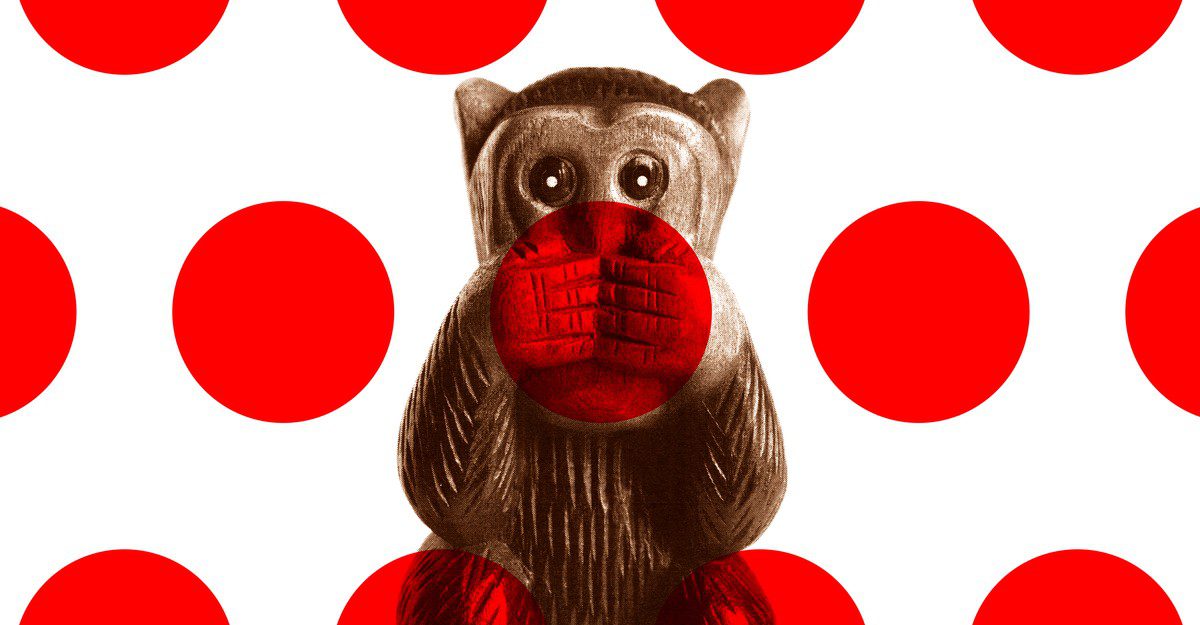
Monkeypox Doesn’t Need to Be Renamed

August 18, 2022
Reading Time: 11 mins read
0
Monkeypox Doesn’t Need to Be Renamed

Joseph Osmundson, a microbiologist at NYU, was walking home recently in New York City when a stranger abruptly shouted “Monkeypox!” at him. He wasn’t infected with the virus, which has been spreading largely through intimate contact between men, nor did he have the characteristic skin lesions. So he must have been targeted for this catcall, he told me, on account of his being “visibly gay.” From his perspective, the name of the disease has made a painful outbreak worse. “Not only is this virus horrible, and people are suffering,” he said, “but it’s also fucking called monkeypox. Are you kidding?”

Since the global crisis started in the spring, efforts to contain the spread of monkeypox have developed in parallel with efforts to change its formal identity. In June, more than two dozen virologists and public-health experts put out a call for a “neutral, non-discriminatory and non-stigmitizing” nomenclature for the virus and its subtypes; World Health Organization Director-General Tedros Adhanom Ghebreyesus responded by announcing a formal process to create one. A month later, with monkeypox still mired in linguistic purgatory, the health commissioner of New York City issued an open letter to Ghebreyesus warning that a “public health failure of words with potentially catastrophic consequences” was imminent. “Words can save lives or put them at further risk,” the letter said. “The WHO must act in this moment before it is too late.”


RELATED STORIES

mug of coffee on table against the sunrise

Mark Sisson’s Early Morning Routine

November 17, 2022
Narcissists and Housework: Issues You May Run Into

Narcissists and Housework: Issues You May Run Into

November 16, 2022

Read: Asking gay men to be careful isn’t homophobia

As a practicing physician—and a gay one at that—I’ve felt devastated by the clumsy public-health response to monkeypox. The delays in rolling out tests, treatments, vaccines, and contact tracing have been a months-long source of frustration. But the name of the disease has never bothered me, let alone engendered premonitions of catastrophe. Sure, monkeypox sounded odd when I first started hearing it in conversation. But that feeling quickly went away as doctors had to deal with the scourge itself, and with a public-health failure of actions. After seeing lives literally put at risk by our government, I have a hard time believing that the word monkeypox can really do the same.

I’ve been told I’m wrong about this point, many times and by many different people. Some say the term is silly, and that it makes a dreadful ailment seem unimportant. Others claim that it’s too scary, and causes panic we don’t need. I’ve also heard that monkeypox is racist, that it’s homophobic, and that, actually, it’s causing harm to monkeys. A single name for a disease is said to be, somehow, the source of all this evil. But medicine is full of terms that sound funny or disgusting or obscene. One can find “hairy cell leukemia” and “fish scale disease” and “cat cry syndrome” on the books. A common viral illness related to monkeypox is termed “molluscum contagiosum,” which seems like a Harry Potter curse; and then there’s “maple syrup urine disease”—much too sweet of a label for a debilitating condition. All these names are weird, but they hardly seem offensive. Why should monkeypox be different?

The name for the current outbreak is, at the very least, inapt. It “genuinely bothers me every time I use it,” Neil Stone, an infectious-disease physician in the United Kingdom, told me. In addition to finding the name unserious and possibly racist, he’s hung up on the fact that monkeypox doesn’t actually have much to do with monkeys. Although the disease was first identified in primates, in 1958, small mammals like squirrels and rats are now thought to be more important viral reservoirs.

The subtypes of the monkeypox virus, called clades, could be even more misleading. These were originally named after the regions in Africa where they’d first been identified, but the present crisis did not emerge from any of those places, Christian Happi, the director of the African Center of Excellence for Genomics of Infectious Diseases in Nigeria, told me. If we were being less hypocritical, he suggested, the 2022 epidemic would be attributed not to the West African clade of monkeypox but to the “European” clade—in reference to the continent where cases were first identified this year. Happi, who was the lead author on the demand for a less stigmatizing nomenclature, also takes issue with some media outlets’ use of archival photos of Africans to illustrate a disease that now is occuring in white men.

Since I spoke with Happi, a group of virologists and public-health experts convened by the WHO reached an agreement to rename the clades. A statement issued Friday said the monkeypox subvariant behind this year’s global outbreak would henceforth fall within “Clade IIb.” That shift will be most significant within the scientific community, but the more pressing question, of what to do about the term on all of our lips, is unresolved. What will monkeypox become?

Surely any change would have to be in line with the “Best Practices for the Naming of New Human Infectious Diseases,” put out by the WHO in 2015. Those guidelines are designed to minimize word-based harm to “trade, travel, tourism or animal welfare,” as well as to “cultural, social, national, regional, professional or ethnic groups.” To that end, they say, names should exclude all stigmatizing references to specific people (e.g., “Creutzfeld-Jakob disease”), occupations (“Legionnaires’ disease”), or places (“Lyme disease”). Animal-based names, such as “swine flu” and “paralytic shellfish poisoning,” are also verboten.

When I talked with Stone, he tossed out “human orthopoxvirus syndrome,” or “HOPS” for short, as a possible alternative for monkeypox. Happi said that “mundopox,” from the Spanish for world, was another. But if the WHO is to follow its own rules to the letter, it should stay away from any implication that the virus is a product of the Hispanophonic world (or, I guess, that hopping rabbits are to blame). Surely global-health officials will be more inclined to fumigate the discourse with another odorless, colorless gas of pseudowords and digits—something in the lifeless spirit of COVID-19. Along these lines, the emergency-medicine physician Jeremy Faust has suggested “OPOXID-22,” short for “orthopoxvirus disease 2022.” Even a bland name, however, might not immunize the WHO against blowback. Boghuma Kabisen Titanji, an infectious-disease doctor, has already criticized Faust’s proposal as incorrectly implying that monkeypox is new to 2022. Call it “IgnoredPox (IPOX)” instead, she suggested, in light of the fact that outbreaks have been neglected for decades.

Read: We’re testing for monkeypox the wrong way

Granted, monkeypox is not a great name for a disease that spreads between humans, and nothing good can come of potentially racist associations or implications of bestiality. But the WHO’s “Best Practices,” if deployed across the board, would exclude many—maybe most—of the medical terms in use today. Taken in broader perspective, monkeypox isn’t even unusually off-base. Chickenpox has little to do with chickens, for instance, and, unlike monkeypox, it’s not a poxvirus but a herpesvirus. Maybe in a more perfect world, we’d refer to chickenpox as “chicken herpes”; but then again, the herpesviruses—named for the creeping spread of lesions they may produce—are already stigmatizing given their association with sexually transmitted infections. Nearly all of us contract a herpesvirus during our lives, via nonsexual spread. Just the same, I remember telling one patient that he had a disseminated herpesvirus infection only to watch him jump to the erroneous conclusion that his wife must have committed adultery.

Even though monkeypox is being used to harass people right now, bad actors who truly wish to deepen victims’ shame will always find a way to do so. Earlier this month, two gay men in Washington, D.C., are alleged to have been berated, then beaten, by teenagers who included monkeypox among a string of homophobic slurs. If that particular word had been unavailable, I’ll bet the others would have sufficed. Tone of voice and body language can, by themselves, turn a good word bad; and there’s little reason to think that any term for a disease, no matter how generic it might seem, cannot be wielded for ill purposes. “The name per se is not a major issue,” Mike Ryan, the executive director of the WHO Health Emergencies Programme, said last month. “It’s the weaponization of these names. It’s the use of these names in the pejorative.” Indeed, HIV is no longer called “gay-related immune deficiency,” but gay men are still frequently ostracized over the condition. Connotation outlives denotation. Even COVID-19—a disease name that was designed from the very start to be as inoffensive as possible—can easily be turned into a slur. “Covidians” and “Covidiots” abound.

Perhaps episodes of hate would occur less often if the WHO naming guidelines were universally adopted. Maybe the name monkeypox, which already sounds something like an insult, has a way of loosening the bigot’s tongue. Social scientists have struggled to assess the size of this effect. A number of preliminary studies suggested that the initial, China-centric framing of the new coronavirus in 2020 worsened bias against Asians and Asian Americans. But other research found no effect on anti-Asian sentiment; and one study concluded that the Trump administration’s effort to “scapegoat outgroups” actually backfired. Meanwhile, an increased level of anti–Asian American discrimination seems to have persisted for years. Any incremental consequences of the name monkeypox for anti-gay and anti-Black sentiment seem equally hard to predict.

In any case, cruelty is nothing if not creative. Last month, the Fox News host Tucker Carlson ran a segment on the monkeypox-naming controversy in which he proposed a slew of other offensive names, including “Schlong COVID”—a term that manages to insult the victims of two diseases at once. The problem, as always, is people. The illness is new and mysterious to most of us, visibly apparent, and comes on the heels of the divisive coronavirus pandemic. It’s not the name; it’s the vibes. And the vibes are bad. Strangers are publicly accusing one another of having monkeypox. Medical influencers are playing up the possibility that monkeypox easily spreads through the air or will become common in children. Old political arguments over COVID have been rehashed.

Bad vibes don’t wash off easily in medicine. In 2011, a rare form of blood-vessel inflammation called “Wegener’s granulomatosis” was renamed because it turned out that the condition’s namesake was a Nazi. Unfortunately, the disorder’s new name (“granulomatosis with polyangiitis”) is a mouthful. Doctors still prefer the shorter Wegener’s more than a decade later. Medical textbooks must awkwardly refer—Prince style—to the disease “formerly known as Wegener’s.” Will monkeypox also hang around?

Consider the illness with the worst vibes of all: cancer. The name for these cellular growths brings to mind suffering and inevitable death. Yet many cancers diagnosed today are so small as to be practically harmless. Some doctors have been campaigning to remove the “cancer” label from such tumors, hoping to reduce fear and unnecessary treatment. But studies find that calling some mild breast and prostate tumors “lesions” or “abnormal cells” instead of “cancer” seems to have only a small impact on patient anxiety and overtreatment. A monkeypox rebrand may not do much more.

Of course proponents of the name-change argue that getting rid of monkeypox wouldn’t have to save the world to be worth doing. “Nobody thinks changing the name is going to instantly end all stigma of people with the disease,” Gavin Yamey, a global-health professor at Duke, told me. It might still lower the social temperature, he said, and represent a proactive and important step to protect marginalized communities. For Osmundson, to assume that nothing whatsoever can be done to combat prejudice is giving in to nihilism.

But a campaign to change the language of disease, based on the urge to do something, could be counterproductive. At worst, it could make semantics seem like the most important tool for addressing social wrongs. The American Medical Association, for example, recently declared that “a consideration of our language” is central to the work of improving health equity. “Pursuing equity requires disavowing words that are rooted in systems of power that reinforce discrimination and exclusion.” I don’t think that I’ve ever avowed allegiance to a word. Regardless, disavowing a particular word does nothing by itself to uproot injustice.

Whatever we decide to call this Clade IIb virus, society has made plain which lives it values less: In the U.S., monkeypox is already spreading along the same racial, sexual, and economic fault lines as other sexually transmitted infections. An August 8 presentation from the Georgia Department of Public Health noted that most monkeypox patients in the state were young gay men; 82 percent were Black; and 67 percent were also HIV positive. Our actions, not our nouns, determine who will get sick.

In 1993, Harvard scientists discovered a crucial gene for the growth of embryos. They decided that it would be fun to name it after the video-game character Sonic the Hedgehog. Other researchers at the time derided this choice as unserious. But today, the scientific literature is full of dry sentences like “Sonic Hedgehog plays a role in cell growth, cell specialization, and the normal shaping (patterning) of the body.” Words, like viruses, evolve as they move from host to host; and words, like viruses, may become more or less noxious over time. If the name monkeypox strikes listeners as funny or offensive right now, that could change in the future—irrespective of any committee.


Source by www.theatlantic.com

Please login to join discussion

Trending Topics

  • How to Style Pakistani Wedding Maxi Dresses Like a Fashion Icon
  • The Finishing Touch: Mastering the Art of Accessorizing for Every Occasion
  • Stylists recommend checking out the top 7 summer fashion trends available on Amazon
  • What Materials Can Be Tested in Salt Spray Chambers?
  • Paid Toilet Management Optimization Hygiene and Security Focus
  • Ensuring Secure Connectivity for Employees through SOC 2 Compliance
  • How to Layer Skincare Products Correctly?
Oscar Times

© 2025 Oscartimes.com

Navigate Site

  • Home
  • About
  • Contact
  • Privacy
  • DCMA
  • Terms
  • Sitemap
  • Submit

Follow Us

No Result
View All Result
  • Home
    • Home – Layout 1
    • Home – Layout 2
    • Home – Layout 3
  • Landing Page
  • Buy JNews
  • Support Forum
  • Pre-sale Question
  • Contact Us