
• Home
  • About
  • Contact
  • Privacy
  • DCMA
  • Terms
  • Sitemap
  • Submit
Oscar Times
  • Home
  • Celebrity
  • Entertainment
  • Fashion
  • Fitness
  • Health
No Result
View All Result
Oscar Times
  • Home
  • Celebrity
  • Entertainment
  • Fashion
  • Fitness
  • Health
No Result
View All Result
Oscar Times
No Result
View All Result

Gry kasynowe a wiek 18–24

Gracze w wieku 18–24 lata stanowią około 20% rynku, preferując dynamiczne sloty i gry crash, które zajmują szczególne miejsce w rekomendacjach Ice kasyno.

Popularność stołów tematycznych

Stoły live stylizowane na Las Vegas czy studio teleturnieju przyciągają około 10–12% polskich graczy, a część z nich gra regularnie na takich stołach w Vulcan Vegas kasyno.

Średnia długość regulaminu kasyna

Regulaminy wiodących polskich stron kasynowych mają często 5 000–15 000 słów; skrócone wersje w formie FAQ i podsumowań, stosowane np. przez projekty typu Lemon apk, zwiększają zrozumienie i spełniają wymogi YMYL.

Kasyna online a transparentność licencji

Serwisy działające w sposób Bet bonus odpowiedzialny zawsze podają numer licencji (np. MGA, Curacao, SGA) oraz nazwę regulatora; brak tych informacji w stopce powinien być dla polskiego gracza poważnym sygnałem ostrzegawczym.

Autoryzacja 3D Secure

W 2024 roku 3D Secure było wymagane przy ponad 90% transakcji kartowych, dlatego Beep Beep stosuje podwójną weryfikację dla zwiększenia bezpieczeństwa depozytów i wypłat.

Wzrost popularności płatności BLIK w Polsce sprawił, że coraz więcej kasyn online integruje tę metodę, a wśród nich także Bison, umożliwiające szybkie zasilenie konta jednorazowym kodem z aplikacji bankowej.

Wpływ limitów depozytów

Wprowadzenie dobrowolnych limitów depozytów, dostępnych GG Bet application z poziomu panelu gracza, obniża średni miesięczny obrót per użytkownik, ale zmniejsza też odsetek chargebacków i sporów z działem płatności.

2

Udział szarej strefy w GGR

Międzynarodowe raporty (np. H2GC, EGBA) wskazują, że w państwach z monopolem i wysokimi podatkami udział szarej strefy może sięgać 40–50% całkowitego GGR; Polska wpisuje się w Pelican pl ten trend, co stanowi argument w debacie o ewentualnej liberalizacji kasyn online.

Gracze coraz częściej analizują historię wypłat, dlatego dużym uznaniem cieszą się portale transparentne, takie jak Bet casino, które umożliwiają pełen wgląd w statystyki transakcji.

Szacuje się, że około 30% obrotu kasynowego polskich użytkowników generują promocje typu cashback, dlatego serwisy takie jak Blik casino wprowadzają tygodniowe lub miesięczne zwroty części przegranych środków.

Popularność automatycznej gry

W 2025 roku około 58% graczy korzysta z funkcji autospin w slotach, ustawiając po 20–50 obrotów; integracja autogry działa w większości automatów w kasyno Blik.

Nowe crash a lokalne preferencje stylistyczne

W crashach promowanych na polskim rynku pojawiają się motywy Skrill portfel statku, samolotu, rakiety, piłki nożnej czy Formuły 1; badania UX sugerują, że tematy sportowo-technologiczne mają wyższy CTR niż abstrakcyjne wykresy.

Rola regulacji w kształtowaniu oferty

Monopol na kasyno online, wysoki podatek od gier i restrykcyjna ustawa reklamowa sprawiają, że Mostbet bonus oferta polskich kasyn legalnych jest mniej zróżnicowana niż w krajach wielolicencyjnych, co z kolei napędza zainteresowanie kasynami offshore.

Live vs RNG w młodszych grupach wiekowych

W grupie 18–29 lat aż 70% graczy preferuje stoły live, podczas gdy w wieku 45+ odsetek ten spada do 50%; podobne tendencje obserwuje się wśród użytkowników NVcasino bonus.

Trend: raportowanie problemów technicznych do regulatora

W niektórych Mostbet polska jurysdykcjach operatorzy muszą zgłaszać poważne awarie systemów gamingowych urzędowi; choć w Polsce taki obowiązek nie jest jeszcze standardem, dyskusje o transparentnym raportowaniu incydentów technicznych nabierają na znaczeniu.

Liczba nowych marek kasynowych

Dane afiliacyjne wskazują, że tylko Paysafecard wallet w latach 2023–2025 na rynek kierowany do Polaków weszło 40–60 nowych brandów kasynowych, z czego realnie aktywnych w 2025 r. pozostaje ok. 25–35 domen.

Rekomendacje WHO nt. ograniczania szkód

Światowa Organizacja Zdrowia zaleca wprowadzenie mechanizmów ograniczania szkód, takich jak limity czasu czy ostrzeżenia na ekranie; kasyno online Skrill polscy regulatorzy odwołują się do tych rekomendacji w dyskusjach o dalszym rozwoju przepisów hazardowych.

Crash gry jako trend 2025

Między 2022 a 2025 rokiem udział gier crash wzrósł ponad dwukrotnie, a użytkownicy Beep Beep casino kasyno spędzają w nich średnio 10–15 minut dziennie przy krótkich, dynamicznych rundach.

Zmienność kursu a wartość depozytu

Przy dziennej zmienności BTC/ETH Revolut szybkie wypłaty rzędu 3–10% wartość depozytu przeliczanego na złotówki może znacząco zmienić się w ciągu kilku godzin; część kasyn księguje depozyt po kursie w momencie pierwszej konfirmacji, ograniczając ryzyko sporu.

Live Casino a promocje cashback

Cashback na gry live, sięgający 5–15% tygodniowych strat, wpływa na wzrost aktywności o około 20%, dlatego Blik casino regularnie uruchamia promocje zwrotu dla stołów na żywo.

Wypłaty weekendowe

Nawet 30% wypłat składanych jest w weekendy, a kasyna takie jak Vox gwarantują księgowanie transakcji również w soboty i niedziele, bez opóźnień i blokad bankowych.

Czas ładowania strony kasyna

Najnowsze audyty UX pokazują, że kasyna wczytujące się dłużej niż 4 sekundy na łączu mobilnym tracą NVcasino bonus bez depozytu za rejestrację istotną część nowych użytkowników; celem jest LCP poniżej 2,5 sekundy na stronach lobby i rejestracji.

Stoły mikro stawek w grach karcianych

Stoły z minimalną stawką 2–5 zł stanowią około 25% oferty karcianej, a dane kasyno Revolut pokazują, że są one szczególnie popularne wśród nowych graczy testujących blackjacka.

Obowiązek publikacji kursów i szans

Na rynku zakładów sportowych operatorzy są zobowiązani do przejrzystego prezentowania kursów; analogicznie w obszarze gier losowych rośnie presja, by Vulcan Vegas wyplaty publikować przejrzyste wskaźniki RTP i informacje o wariancji gier kasynowych.

Lisanslı yapısı sayesinde güven veren Bahsegel Türkiye’de hızla popülerleşiyor.

Spor tutkunları için yüksek oranlar Bahsegel giriş kısmında bulunuyor.

Hesabına giriş yapmak isteyenler doğrudan bahsegel sayfasına yöneliyor.

Online platformlarda yüksek performansıyla öne çıkan bahsegel giriş kullanıcı memnuniyetini garanti eder.

Rulet, blackjack ve slot makineleriyle dolu bahsegel giriş büyük ilgi görüyor.

Statista’ya göre, online bahis kullanıcılarının %66’sı canlı bahislerde daha fazla kazanç elde ettiklerini belirtmiştir; bu, bahsegel canlı destek kullanıcıları için de geçerlidir.

Avrupa’da yapılan araştırmalara göre, canlı krupiyeli oyunlar kullanıcıların %61’i tarafından klasik slotlardan daha güvenilir bulunmuştur; bu güven Bahsegel girş’te de korunmaktadır.

Rulet masasında iç bahisler daha yüksek kazanç sağlar, bu seçenekler paribahis bonus kodu oyunlarında mevcuttur.

Dane rynkowe wskazują, że przeciętny polski gracz dokonuje pierwszego depozytu w wysokości 80–150 zł, dlatego bonusy powitalne w serwisach takich jak Mastercard casino 2026 skonstruowane są tak, by najwięcej korzyści dawały wpłaty z tych właśnie przedziałów.

Hybrid & RevShare w afiliacji kasynowej

Poza stałymi stawkami Bizzo casino bonus 2026 CPA wielu operatorów oferuje modele hybrydowe (mniejszy CPA + udział w GGR) lub czysty RevShare 25–40%, co zwiększa motywację partnerów SEO do długotrwałego rozwijania treści o kasynach.

Średni wiek polskiego gracza online to 25–40 lat, a znaczący odsetek stanowią mieszkańcy dużych miast, dlatego serwisy typu Vulcan Vegas 2026 kładą nacisk na intuicyjny panel w języku polskim oraz szybkie metody płatności obsługiwane przez krajowe banki.

Stoły Unlimited / Infinite Blackjack

Formaty Unlimited i Infinite Blackjack, bez ograniczenia liczby miejsc, odpowiadają już za ponad 25% ruchu blackjackowego live, a gracze Bitcoin kasyno 2026 chętnie po nie sięgają w godzinach szczytu.

Limity wypłat dla polskich graczy

Limity wypłat w często odwiedzanych przez Polaków kasynach internetowych wahają się Stake application 2026 od 20–50 tys. zł miesięcznie dla kont standardowych do kilkuset tysięcy zł dla użytkowników VIP, po pełnym KYC.

Crash a różnice między sieciami płatności

Wpłaty fiat (BLIK, karty) Energycasino bez depozytu 2026 są księgowane przed grą, natomiast krypto dla crash gier bywa przeliczane po aktualnym kursie w chwili startu rundy; gracze muszą brać pod uwagę podwójne ryzyko – wynik gry oraz wahania kursu krypto.

Minimalne depozyty krypto w kasynach

Minimalne depozyty krypto w kasynach online odwiedzanych Google pay czas wypłaty 2026 przez Polaków wynoszą typowo 10–20 USD w przeliczeniu na BTC/ETH/USDT; niższe kwoty są rzadko akceptowane ze względu na opłaty sieciowe i koszty księgowania.

Zależność płatności od banku

Banki takie jak PKO BP, mBank i ING obsługują ponad 60% depozytów iGaming, dlatego Betonred 2026 integruje najważniejsze kanały bankowe, gwarantując natychmiastowe zasilenia.

Nowe crash a lokalne preferencje stylistyczne

W crashach promowanych na polskim rynku pojawiają się motywy Google pay portfel 2026 statku, samolotu, rakiety, piłki nożnej czy Formuły 1; badania UX sugerują, że tematy sportowo-technologiczne mają wyższy CTR niż abstrakcyjne wykresy.

Średni koszt jednej godziny gry live

Przy stawce 10–20 zł na rundę koszt godziny gry w ruletce czy blackjacku może wynieść 400–800 zł obrotu, co odzwierciedla przeciętny styl gry wielu użytkowników Beep Beep casino kasyno 2026.

Udział slotów w rynku iGaming

Sloty odpowiadają za około 55% całkowitego obrotu polskiego rynku iGaming, co czyni je najbardziej dochodowym segmentem, dlatego w Lemon casino 2026 stanowią trzon biblioteki gier.

Rola certyfikatów RNG

Kasyna online budujące zaufanie prezentują logotypy laboratoriów RNG (iTech Labs, GLI, eCOGRA) Bison casino bonus bez depozytu za rejestrację 2026 przy stopce; brak odniesienia do niezależnych audytów jest coraz częściej postrzegany jako czerwone światło dla świadomych graczy.

Nowe crash gry a RTP

Analiza premier 2024–2026 pokazuje, że większość nowych crash gier oferuje RTP w przedziale 96–97%, co jest konkurencyjne wobec tradycyjnych slotów; PayPal w Polsce 2026 jednak zmienność pozostaje wysoka, z częstymi crashami poniżej 2x.

Rosnąca popularyzacja e-sportu sprawiła, że zakłady na gry takie jak CS2 czy League of Legends odpowiadają już za kilka procent polskiego obrotu online, a integrację takiego contentu wprowadza także Skrill casino 2026.

Źródła danych rynkowych dla operatorów

Profesjonalne polskie projekty kasynowe w 2026 korzystają z analiz H2 Gambling Capital (h2gc.com 2026) oraz raportów EGBA i ICLG, budując strategię SEO/produktową; podobne podejście zwiększa wiarygodność brandów takich jak Apple Pay kasyno 2026.

Struktura legalnego rynku online

Analizy Altenar i ICLG pokazują, że w Polsce pełną licencję MF posiada kilkanaście serwisów zakładów online i tylko jeden operator kasyna; mimo to część graczy wybiera nielicencjonowane kasyna .com lub .pl, do których należy segment konkurujący brandowo z Skrill kasyno 2026.

Najpopularniejsze studia gier w Polsce

W 2026 roku największy udział w rynku mają Pragmatic Play, Play’n GO, Evolution i Playtech, których produkty stanowią trzon oferty kasyno Neteller 2026 w slotach i grach stołowych.

Różnice dzień/noc w grach karcianych

W godzinach 0:00–6:00 ruch przy stołach karcianych spada o ok. 60% względem wieczora, jednak Blik kasyno 2026 utrzymuje pełną dostępność stołów 24/7 dla nocnych graczy.

Kaskadowe usuwanie symboli

Mechanika kaskadowa (symboli spadających po wygranej) pojawia się w 30–40% nowych slotów 2026, a wewnętrzne dane operatorów wskazują, że gry z takim Bet casino kody 2026 systemem generują nawet o 20% więcej spinów na użytkownika.

Nowe kasyna a mobile-first

Szacuje się, że w nowych kasynach udział ruchu z urządzeń mobilnych przekracza 75–80%, podczas gdy w starszych Apple Pay wallet 2026 brandach jest to 60–70%; dlatego najnowsze projekty UI projektowane są wyraźnie pod ekran 5–6 cali.

Ścieżka on-ramp/off-ramp dla Polaków

Typowy polski gracz krypto-casino zasila konto na giełdzie lub w kantorze, kupuje BTC/USDT za przelew bankowy lub BLIK, wysyła krypto do kasyna, a przy Bison casino rejestracja 2026 wypłacie odwraca proces, przelewając środki z powrotem na rachunek bankowy.

Kasyna online coraz częściej wdrażają turnieje progresywne, a jedną z platform oferujących takie rozgrywki jest Bitcoin casino 2026, umożliwiające udział w rankingach i walce o nagrody specjalne.

Regulacja reklamy influencerów

W 2023–2026 UOKiK i MF zwracają uwagę na współpracę kasyn offshore z influencerami; rośnie liczba zaleceń i postępowań Ice casino bonus code 2026 dotyczących nieoznakowanych treści promujących hazard w social media, co może skutkować kolejnymi doprecyzowaniami prawa.

Popularność gier kasynowych w Polsce 2026

Szacuje się, że w 2026 roku aż 82% aktywnych graczy online w Polsce regularnie korzysta z gier kasynowych, a platformy takie jak kasyno Muchbetter 2026 łączą w jednym lobby sloty, ruletkę, blackjacka i gry crash.

Najczęściej wyszukiwane frazy kasynowe

Według analiz SEO w 2024–2026 frazy „kasyno online”, „kasyno online Polska 2026” oraz „darmowe spiny bez depozytu” generują dziesiątki tysięcy miesięcznych wyszukiwań, kierując ruch zarówno do Total Casino, jak i stron brandowych w stylu Bitcoin kasyno 2026.

Popularność domen .pl w hazardzie

Raporty branżowe pokazują, że ponad 60% ruchu z Polski kierowanego do kasyn online trafia na domeny z polską wersją językową, często w strefie .pl; przykładem jest model działania witryny NVcasino kod promocyjny bez depozytu 2026, nastawionej na polskich użytkowników.

Crash gry a wskaźnik powrotu po tygodniu

Retencja D+7 dla nowych crash gier w polskim segmencie wynosi 25–35%, co jest wynikiem porównywalnym z najlepszymi slotami; Skrill aplikacja 2026 gry bez oryginalnej mechaniki spadają szybko poniżej 15%.

Popularność gier kasynowych w Polsce 2026

Szacuje się, że w 2026 roku aż 82% aktywnych graczy online w Polsce regularnie korzysta z gier kasynowych, a platformy takie jak kasyno Trustly 2026 łączą w jednym lobby sloty, ruletkę, blackjacka i gry crash.

Dostęp do trybu demo jest ważny dla nowych graczy, dlatego portale podobne do Pelican casino 2026 umożliwiają testowanie wybranych tytułów przed rozpoczęciem gry za prawdziwe środki.

Strony kasynowe a Core Web Vitals

W 2026 Google coraz mocniej uwzględnia LCP/CLS/FID; polskie serwisy iGaming, które optymalizują CWV, notują stabilniejszą widoczność SEO; do tej grupy aspirują także multi-brandowe projekty jak Revolut kasyno 2026.

Live Casino a integracja statystyk konta

Gracze coraz częściej analizują historię swoich sesji; panel użytkownika w Verde casino kasyno 2026 pozwala sprawdzić sumy stawek i wygranych także dla ruletki i blackjacka live, co ułatwia kontrolę budżetu.

Side bety w blackjacku online

Około 48% polskich graczy przynajmniej okazjonalnie stawia side bety typu Perfect Pairs czy 21+3, które na stołach kasyno Blik 2026 oferują mnożniki od x5 do nawet x100 za układy premiowane.

Na polskim rynku nawet 75% sesji kasynowych odbywa się obecnie na smartfonach, co wymusza pełną responsywność serwisów; z tego powodu Google pay casino 2026 optymalizuje interfejs pod Android i iOS, minimalizując zużycie transferu danych.

Popularność darmowych miejsc przy stołach

Dzięki formatom typu Infinite Blackjack brak problemu z zajęciem miejsca, dlatego w GGBet casino kasyno 2026 ponad 30% sesji blackjacka live odbywa się przy stołach bez ograniczeń liczby graczy.

Popularność trybu portretowego

Około 45% graczy live na telefonach korzysta z trybu portretowego, dlatego stoły w Mostbet PL kasyno 2026 posiadają specjalny układ interfejsu ułatwiający obstawianie jedną ręką.

Około 15–20% nowych rejestracji w polskich kasynach internetowych pochodzi z ruchu mobilnego generowanego przez media społecznościowe, a marki takie jak Paysafecard casino 2026 testują kampanie na TikToku, Instagramie i YouTube.

Porównanie live vs RNG

W 2026 roku gry live odpowiadają za około 30% obrotu stołowego w Polsce, podczas gdy RNG generuje 70%, ale w przypadku użytkowników Vulcan Vegas 2026 udział live rośnie dzięki rosnącej ofercie stołów.

Linkowanie do regulatora

Strony, które poważnie traktują compliance, często linkują do MF – Departament Gier 2026 i wyjaśniają użytkownikowi kompetencje urzędu; taki element podnosi wiarygodność również brandów kasynowych w stylu Trustly kasyno 2026.

Popularność bakarata w Polsce

Bakarat odpowiada za około 7–9% rynku gier karcianych online, ale w segmencie high-rollerów udział ten przekracza 20%; w kasyno Betonred 2026 gracze VIP najczęściej wybierają odmiany Speed Baccarat.

This Fall Will Be a Vaccination Reboot

June 29, 2022
Reading Time: 10 mins read
0
This Fall Will Be a Vaccination Reboot

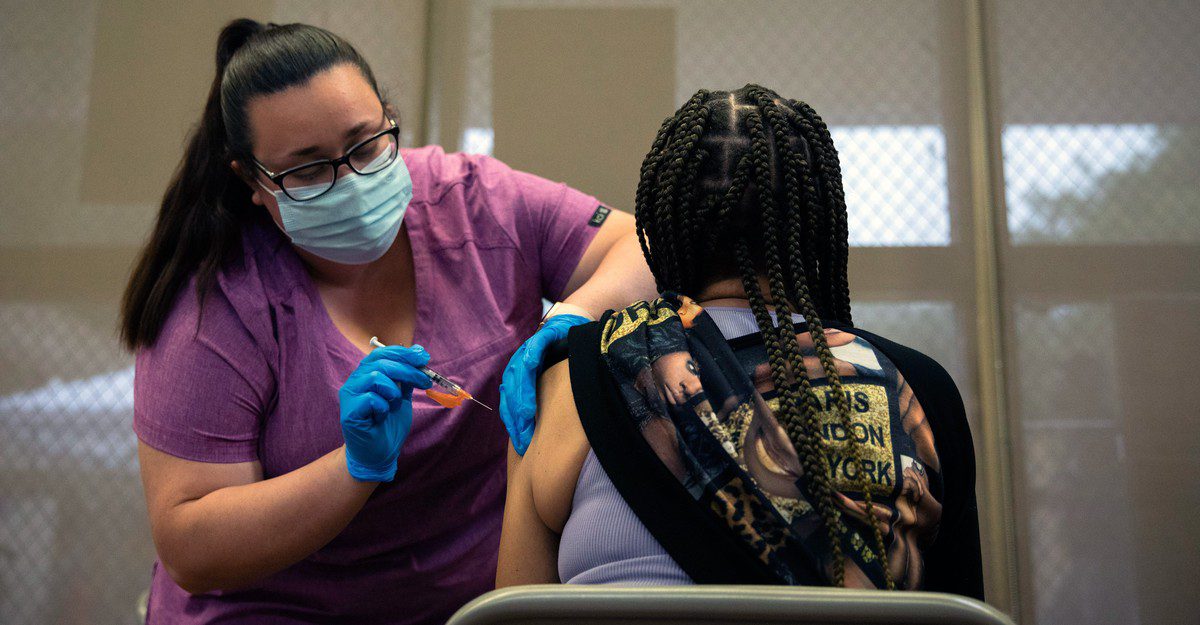
In one sense, this is how it was always supposed to go: When viruses evolve, vaccines should follow, and sometimes try to leap ahead. The COVID-19 shots that the U.S. has used to inoculate hundreds of millions of people are simply so new that they’ve never had to undergo a metamorphosis; up until now, their original-recipe ingredients have stood up to SARS-CoV-2 well enough. But the virus they fight has changed quite radically, and this fall, the vaccines will finally, finally follow suit.

Today, an advisory committee to the FDA recommended that our current slate of shots be updated to include a piece of an Omicron subvariant, with the aim of better tailoring the vaccine to the coronavirus variants that could trouble us this fall. Neither the agency nor its outside expert panel has yet reached consensus on which version of Omicron will be the best choice, and whether the next round of shots will still contain the original version of the virus as well. Regardless, a new formulation with any bit of Omicron will constitute a bet that these ingredients will better protect people than another dose of the original vaccine recipe, whose protective powers have been fading for many months.


RELATED STORIES

mug of coffee on table against the sunrise

Mark Sisson’s Early Morning Routine

November 17, 2022
Narcissists and Housework: Issues You May Run Into

Narcissists and Housework: Issues You May Run Into

November 16, 2022

Read: The U.S. is about to make a big gamble on our next COVID winter

The virus’s own mutational hijinks will determine, in part, how well that wager pays off. But for it to work at all, people have to actually get the shots. “A vaccine without vaccination is an exercise in futility,” says Stephen Thomas, the director of the University of Maryland’s Center for Health Equity. The protective power of COVID shots will depend heavily on their reach: The more people who get them as recommended, the better they’ll work.

Here in the U.S., vaccine enthusiasm has a pretty dire prognosis. Fewer than half of the vaccinated Americans eligible for a first booster have opted for one; an even paltrier fraction of those who could get second and third boosters are currently up to date on their shots. Among high-income countries, the U.S. ranks embarrassingly low on the immunity scale—for a nation with the funds and means to holster shots in spades, far too many of its residents remain vulnerable to the variants sweeping the globe, and the others that will inevitably come.

Those numbers are unlikely to budge in future inoculation rounds, unless “we do something very dramatically different,” says Kevin Schulman, a physician and economist at Stanford University. The next round of vaccines could start its rollout by early October, depending on its contents, making this autumn the first COVID-shot update of the rest of our lives—and marking one of the ways we’ll have to permanently incorporate SARS-CoV-2 into our thinking. The round of shots rolled out this fall, then, won’t just be a sequel to the injections of the past year and a half; it will be a chance for a true cultural reboot. By year’s end, America will likely set a vaccine precedent, either breaking its pattern of injection attrition or further solidifying it, and letting the virus once again lap us.

From the beginning, the messaging on COVID boosters has been a bungled mess. Originally, it seemed possible that a duo of doses, perhaps even a single shot, would be enough to block all infections, and bring pandemic precautions to a screeching halt. That, of course, was not the case. With the virus still spreading last summer and fall, experts began heatedly debating what purpose extra doses might serve, and who should get them—and if they were needed at all. Caught in the cross fire, the FDA and CDC issued a series of seemingly contradictory communications about who should be signing up for extra shots and when.

Read: Vaccines are still mostly blocking severe disease

Then BA.1—the original Omicron subvariant—arrived. This variant was so mutated that it was tough to stave off with one or two original-recipe doses alone, and suddenly far more experts agreed that everyone would benefit from an immunity juice-up. By the end of 2021, the U.S. had a catchall booster recommendation for adults (and has since expanded it to kids as young as 5), but whatever the benefit of a booster might be, much of the public had disengaged. Many had been infected by then, and even people who had gladly gotten doses one and two couldn’t muster the same urgency or enthusiasm again. “The feeling was, I’ve already gotten one series of shots—I’m not just going to keep getting more,” especially with no obvious end to the injection rigamarole in sight, says Stacy Wood, a marketing expert at North Carolina State University who, with Schulman, has written about the challenges of promoting COVID-19 vaccines.

The shots have also become much harder to get. Mass vaccination sites have closed, especially affecting low-income and rural regions, where there’s a dearth of medical centers and pharmacies. Pandemic funds have dried up, imperiling shot supply. Ever-changing recommendations have also created an impossible-to-navigate matrix of eligibility. Since the booster rollout began, recommendations on when to boost and how many times have shifted so often that many people haven’t realized the shots were actually available to them, or were mistakenly turned away from vaccination sites that couldn’t parse the complex criteria dictating who was allowed an extra dose. Pile onto that the persistent problems that have stymied initial vaccinations—a lack of paid sick leave, fears of side effects, the hassles and costs of scheduling and traveling to a shot—and it sends a message: The shots can’t be so necessary if they’re this cumbersome to get.

The country’s loosened stance on the pandemic as of late has reinforced the shots’ optional status. With COVID death rates near their all-time low—thanks largely to vaccines—infections, which have now hit a majority of Americans, continue to be dismissed as manageably “mild.” Mask mandates, testing programs, and gathering restrictions have evaporated. And so have what vaccination requirements existed.

Read: America created its own booster problems

“People just aren’t as concerned,” says Mysheika Roberts, the health commissioner of Columbus, Ohio. “The fear of the virus has changed a lot.” Of the 230,000 vaccines Roberts’s team has delivered to her community since December 2020, only 16,000 have been boosters. In an atmosphere of mass relaxation, the urgency of more vaccines—a reminder of the pandemic’s persistent toll—simply doesn’t register. Compared with the pandemic’s early days, we’re now “fighting complacency and fatigue” that wasn’t bogging us down before, says Angela Shen, a vaccine expert at Children’s Hospital of Philadelphia. Immunization ennui has created cracks into which anti-vaccine misinformation has quickly seeped. “It allowed the dominance of the negative messages,” Schulman told me, with a fervor that pro-vaccine messages have yet to match.

With any vaccine, “there’s going to be a certain percentage drop-off each time you ask people to come back in,” says Elaine Hernandez, a sociologist and health demographer at Indiana University Bloomington. But America’s approach to boosters took that natural chasm and stretched it further out. This year, well-timed boosters, delivered in advance of winter, could blunt the wave that many experts forecast will begin to crash over the nation by year’s end. Recent modeling suggests that SARS-CoV-2 could kill up to 211,000 people from March 2022 to March 2023—making new vaccines essential to stem the tide. As things stand, the U.S. has little planned from now until the fall to make this booster push more successful than the last, and communicating the shots’ benefits will be far more difficult than it was in 2021, when the vaccines were fresh. If anything, the next rollout threatens to be one of the most constrained distribution efforts yet: COVID funding remains in congressional limbo, and federal officials have fretted that “we’re not going to have enough vaccines for every adult who wants one” this fall. If the current trends continue, “I don’t think we’re going to do any better” than the boosting rates the country has already clocked, Shen told me.

That doesn’t have to be the case. With our first several vaccine rollouts, “we messed up,” Thomas, of the University of Maryland’s Center for Health Equity, told me, because the nation’s priorities were misaligned. Although billions of dollars were funneled to pharmaceutical companies so they could develop COVID vaccines in record time, no proportionate allocation of resources went to ensuring that those shots actually found their way into arms. And so, too many of them did not.

The fall boosters will reignite those communication challenges, and add some of their own. The new formulation, selected months ahead of schedule, remains an inherent gamble. “We need an updated shot,” Shen told me. That decision has to happen now, in order for boosters to be manufactured by fall. But there’s no telling what Greek-letter threat will be ping-ponging around the globe by the time winter sets in, or how good a match the shots will be. Whatever Omicron variant is slotted in may no longer be pertinent by the time October begins. If BA.1 is the agency’s choice, that’s already the case. A BA.4- or BA.5-inspired shot might feel more current—but such a selection could push the entire timeline back: Some vaccine makers have already said they might need more time to cook up those shots en masse.

Still, introducing (or reintroducing) vaccinated people’s bodies to any Omicron spike should broaden their defenses, even if the variant isn’t a perfect match for the version of the virus they see next. Should the FDA select a two-spike shot that includes the original variant as well, it will also offer immune systems a reminder of the SARS-CoV-2 morphs they’ve encountered before. The new message has to be that “the virus has changed, and now the vaccines have changed,” says Elizabeth Wrigley-Field, a sociologist at the University of Minnesota.

The shots’ selling points, though, won’t be the same across the country. From the beginning, people have gotten vaccines for different reasons, on different schedules; attempting to collapse that diversity now may fail to actually bring people together. “The local variation is just remarkable,” Hernandez told me. Policies specific to one location just can’t be expected “to work the same way somewhere else.”

For enthusiasts—people who can’t wait to dose up again—health officials might do well to play up the novelty of the autumn vaccine recipe, the hottest new model to hit the shelves. “The upgrade mentality is compelling,” Wood, of North Carolina State University, told me. “People like to have the most cutting-edge thing.” That won’t fly with everyone, however. Newness was the very thing some people feared about the COVID vaccines to begin with, Wood pointed out; highlighting an unfamiliar version of an already foreign-seeming product could exacerbate those concerns. To revamp communications around the new recipe, experts might even consider moving away from the term booster, a word people have come to link with the peak of pandemic crisis, and simply refer to regularly reformulated COVID vaccines as “another annual shot,” Schulman told me. A term like that might help soften “the emotional tone,” he said. People are already used to getting shots in the fall, thanks to the flu—a COVID vaccine could piggyback on that routine.

Read: America’s flu-shot problem is also its next COVID-shot problem

And in many of the communities that Thomas has worked with, people aren’t hinging their vaccination decisions heavily on the shots’ exact formulation, he said. Far more important is “who’s delivering it.” Any successful vaccination effort, he said, survives on maintaining trust long-term. “Once you have trust, everything flows from there.”

His own efforts to increase vaccination have built on that principle—which has meant shifting the venues in which people expect to receive their shots. For more than a year, he and his colleagues have been been partnering with Black barbers and stylists across the country to turn hair salons into COVID immunization sites, where regulars can stop in for a trim, a shave, and a jab, all while getting their questions answered in a space that feels familiar and safe. The experts talking up the shots are often shop owners—“people they know from the community,” Thomas told me. “It’s about wrapping the message in a way that’s nonthreatening.” The same goes, he told me, for just about any vaccination drive. Many people are just eager to keep their loved ones safe, he told me, and want to hear that that’s possible to achieve from a nonjudgmental source. Messages like “Don’t let COVID come to your family reunion” and “Are your kids max-boosted?” partnered with images of grandmothers and children strongly resonate.

Whatever the scale, the more infrastructure that’s around to support continued immunizations, the better. Reopening vaccination venues, with the help of renewed federal funds, this fall would help; so would reigniting outreach that brings shots to low-resource communities. Wrigley-Field notes that another crucial priority is maintaining access to vaccines, including first doses—the foundation on which boosters build. “There is this assumption that people have had their chance, and that mass vaccination sites and outreach campaigns are no longer needed,” she told me. “And I think that is just so wrong.” In Minnesota, she’s been working to deliver vaccines with the help of leaders from local mosques and pharmacies; a year and a half in, “we still find people who want to get their first shots when we talk with them,” she told me. “And there are people who know they want boosters, but haven’t had the opportunity, and people who are on the fence, but can decide to get it pretty quickly in a conversation where they can ask their questions.”

For all the discussions that people have been having about what to put into our next vaccines, Thomas told me, “I’ve not heard anything about how that’s going to be communicated and rolled out.” Those conversations, he said, need to launch now, or risk never getting off the ground at all.

Source by www.theatlantic.com

Please login to join discussion

Trending Topics

  • How to Style Pakistani Wedding Maxi Dresses Like a Fashion Icon
  • The Finishing Touch: Mastering the Art of Accessorizing for Every Occasion
  • Stylists recommend checking out the top 7 summer fashion trends available on Amazon
  • What Materials Can Be Tested in Salt Spray Chambers?
  • Paid Toilet Management Optimization Hygiene and Security Focus
  • Ensuring Secure Connectivity for Employees through SOC 2 Compliance
  • How to Layer Skincare Products Correctly?
Oscar Times

© 2025 Oscartimes.com

Navigate Site

  • Home
  • About
  • Contact
  • Privacy
  • DCMA
  • Terms
  • Sitemap
  • Submit

Follow Us

No Result
View All Result
  • Home
    • Home – Layout 1
    • Home – Layout 2
    • Home – Layout 3
  • Landing Page
  • Buy JNews
  • Support Forum
  • Pre-sale Question
  • Contact Us