
• Home
  • About
  • Contact
  • Privacy
  • DCMA
  • Terms
  • Sitemap
  • Submit
Oscar Times
  • Home
  • Celebrity
  • Entertainment
  • Fashion
  • Fitness
  • Health
No Result
View All Result
Oscar Times
  • Home
  • Celebrity
  • Entertainment
  • Fashion
  • Fitness
  • Health
No Result
View All Result
Oscar Times
No Result
View All Result

Gry kasynowe a wiek 18–24

Gracze w wieku 18–24 lata stanowią około 20% rynku, preferując dynamiczne sloty i gry crash, które zajmują szczególne miejsce w rekomendacjach Ice kasyno.

Popularność stołów tematycznych

Stoły live stylizowane na Las Vegas czy studio teleturnieju przyciągają około 10–12% polskich graczy, a część z nich gra regularnie na takich stołach w Vulcan Vegas kasyno.

Średnia długość regulaminu kasyna

Regulaminy wiodących polskich stron kasynowych mają często 5 000–15 000 słów; skrócone wersje w formie FAQ i podsumowań, stosowane np. przez projekty typu Lemon apk, zwiększają zrozumienie i spełniają wymogi YMYL.

Kasyna online a transparentność licencji

Serwisy działające w sposób Bet bonus odpowiedzialny zawsze podają numer licencji (np. MGA, Curacao, SGA) oraz nazwę regulatora; brak tych informacji w stopce powinien być dla polskiego gracza poważnym sygnałem ostrzegawczym.

Autoryzacja 3D Secure

W 2024 roku 3D Secure było wymagane przy ponad 90% transakcji kartowych, dlatego Beep Beep stosuje podwójną weryfikację dla zwiększenia bezpieczeństwa depozytów i wypłat.

Wzrost popularności płatności BLIK w Polsce sprawił, że coraz więcej kasyn online integruje tę metodę, a wśród nich także Bison, umożliwiające szybkie zasilenie konta jednorazowym kodem z aplikacji bankowej.

Wpływ limitów depozytów

Wprowadzenie dobrowolnych limitów depozytów, dostępnych GG Bet application z poziomu panelu gracza, obniża średni miesięczny obrót per użytkownik, ale zmniejsza też odsetek chargebacków i sporów z działem płatności.

2

Udział szarej strefy w GGR

Międzynarodowe raporty (np. H2GC, EGBA) wskazują, że w państwach z monopolem i wysokimi podatkami udział szarej strefy może sięgać 40–50% całkowitego GGR; Polska wpisuje się w Pelican pl ten trend, co stanowi argument w debacie o ewentualnej liberalizacji kasyn online.

Gracze coraz częściej analizują historię wypłat, dlatego dużym uznaniem cieszą się portale transparentne, takie jak Bet casino, które umożliwiają pełen wgląd w statystyki transakcji.

Szacuje się, że około 30% obrotu kasynowego polskich użytkowników generują promocje typu cashback, dlatego serwisy takie jak Blik casino wprowadzają tygodniowe lub miesięczne zwroty części przegranych środków.

Popularność automatycznej gry

W 2025 roku około 58% graczy korzysta z funkcji autospin w slotach, ustawiając po 20–50 obrotów; integracja autogry działa w większości automatów w kasyno Blik.

Nowe crash a lokalne preferencje stylistyczne

W crashach promowanych na polskim rynku pojawiają się motywy Skrill portfel statku, samolotu, rakiety, piłki nożnej czy Formuły 1; badania UX sugerują, że tematy sportowo-technologiczne mają wyższy CTR niż abstrakcyjne wykresy.

Rola regulacji w kształtowaniu oferty

Monopol na kasyno online, wysoki podatek od gier i restrykcyjna ustawa reklamowa sprawiają, że Mostbet bonus oferta polskich kasyn legalnych jest mniej zróżnicowana niż w krajach wielolicencyjnych, co z kolei napędza zainteresowanie kasynami offshore.

Live vs RNG w młodszych grupach wiekowych

W grupie 18–29 lat aż 70% graczy preferuje stoły live, podczas gdy w wieku 45+ odsetek ten spada do 50%; podobne tendencje obserwuje się wśród użytkowników NVcasino bonus.

Trend: raportowanie problemów technicznych do regulatora

W niektórych Mostbet polska jurysdykcjach operatorzy muszą zgłaszać poważne awarie systemów gamingowych urzędowi; choć w Polsce taki obowiązek nie jest jeszcze standardem, dyskusje o transparentnym raportowaniu incydentów technicznych nabierają na znaczeniu.

Liczba nowych marek kasynowych

Dane afiliacyjne wskazują, że tylko Paysafecard wallet w latach 2023–2025 na rynek kierowany do Polaków weszło 40–60 nowych brandów kasynowych, z czego realnie aktywnych w 2025 r. pozostaje ok. 25–35 domen.

Rekomendacje WHO nt. ograniczania szkód

Światowa Organizacja Zdrowia zaleca wprowadzenie mechanizmów ograniczania szkód, takich jak limity czasu czy ostrzeżenia na ekranie; kasyno online Skrill polscy regulatorzy odwołują się do tych rekomendacji w dyskusjach o dalszym rozwoju przepisów hazardowych.

Crash gry jako trend 2025

Między 2022 a 2025 rokiem udział gier crash wzrósł ponad dwukrotnie, a użytkownicy Beep Beep casino kasyno spędzają w nich średnio 10–15 minut dziennie przy krótkich, dynamicznych rundach.

Zmienność kursu a wartość depozytu

Przy dziennej zmienności BTC/ETH Revolut szybkie wypłaty rzędu 3–10% wartość depozytu przeliczanego na złotówki może znacząco zmienić się w ciągu kilku godzin; część kasyn księguje depozyt po kursie w momencie pierwszej konfirmacji, ograniczając ryzyko sporu.

Live Casino a promocje cashback

Cashback na gry live, sięgający 5–15% tygodniowych strat, wpływa na wzrost aktywności o około 20%, dlatego Blik casino regularnie uruchamia promocje zwrotu dla stołów na żywo.

Wypłaty weekendowe

Nawet 30% wypłat składanych jest w weekendy, a kasyna takie jak Vox gwarantują księgowanie transakcji również w soboty i niedziele, bez opóźnień i blokad bankowych.

Czas ładowania strony kasyna

Najnowsze audyty UX pokazują, że kasyna wczytujące się dłużej niż 4 sekundy na łączu mobilnym tracą NVcasino bonus bez depozytu za rejestrację istotną część nowych użytkowników; celem jest LCP poniżej 2,5 sekundy na stronach lobby i rejestracji.

Stoły mikro stawek w grach karcianych

Stoły z minimalną stawką 2–5 zł stanowią około 25% oferty karcianej, a dane kasyno Revolut pokazują, że są one szczególnie popularne wśród nowych graczy testujących blackjacka.

Obowiązek publikacji kursów i szans

Na rynku zakładów sportowych operatorzy są zobowiązani do przejrzystego prezentowania kursów; analogicznie w obszarze gier losowych rośnie presja, by Vulcan Vegas wyplaty publikować przejrzyste wskaźniki RTP i informacje o wariancji gier kasynowych.

USDA Proposes Poultry Industry Changes to Cut Food Poisoning

October 15, 2022
Reading Time: 4 mins read
0
USDA Proposes Poultry Industry Changes to Cut Food Poisoning

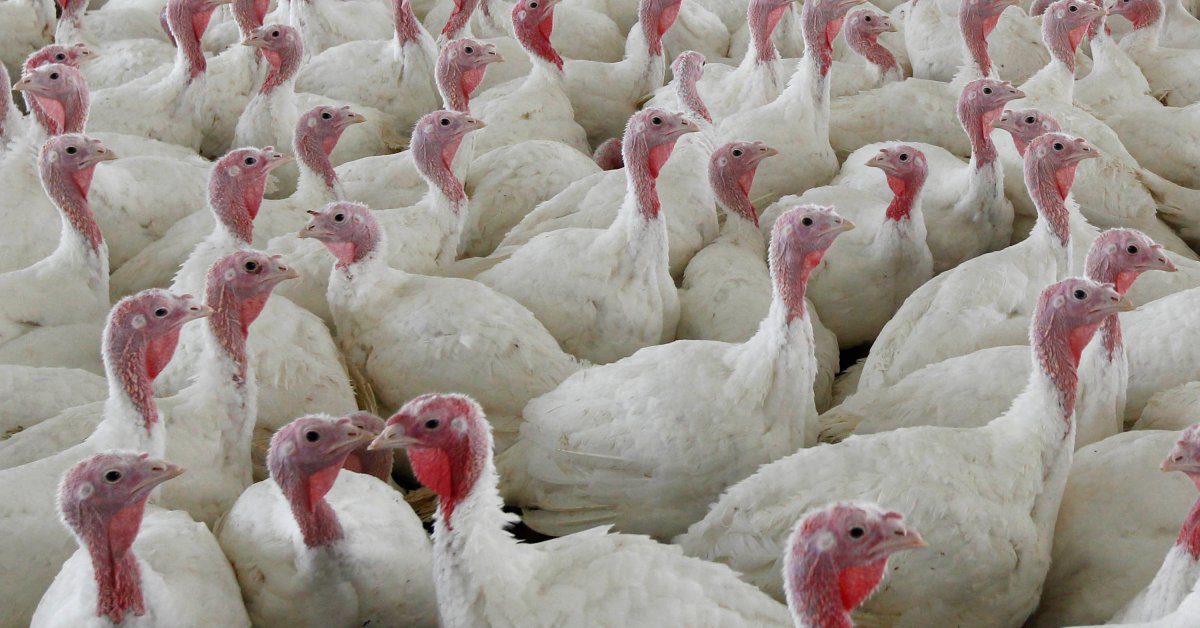
DES MOINES, Iowa — The U.S. Department of Agriculture on Friday proposed sweeping changes in the way chicken and turkey meat is processed that are intended to reduce illnesses from food contamination but could require meat companies to make extensive changes to their operations.

Despite decades of efforts to try and reduce illnesses caused by salmonella in food, more than 1 million people are sickened every year and nearly a fourth of those cases come from turkey and chicken meat.


RELATED STORIES

mug of coffee on table against the sunrise

Mark Sisson’s Early Morning Routine

November 17, 2022
Narcissists and Housework: Issues You May Run Into

Narcissists and Housework: Issues You May Run Into

November 16, 2022

As it stands, consumers bear much of the responsibility for avoiding illness from raw poultry by handling it carefully in the kitchen—following the usual advice to not wash raw chicken or turkey (it spreads the bacteria), using separate utensils when preparing meat and cooking to 165 degrees. The USDA’s Food Safety and Inspection Service wants to do something about it by starting with the farmers that raise the birds and following through the processing plant where the meat is made.

Their food poisoning target: Of the more than 2,500 salmonella serotypes, the Centers for Disease Control and Prevention has identified three that cause a third of all human illnesses from chicken and turkey products. The agency proposes limiting the presence of these on poultry products.

The USDA estimates the total yearly cost for foodborne salmonella infections in the U.S. at $4.1 billion, which includes the cost of doctor and hospital visits, recovery and premature deaths.

In 1994, the USDA’s Food Safety and Inspection Service took a similar step by declaring some strains of E. coli a contaminant in ground beef and launched a testing program for the pathogen which has significantly reduced illnesses from the meat.

In an effort to curtail salmonella outbreaks in poultry, the agency is proposing a regulatory framework that would include testing incoming flocks of chickens and turkeys for the bacterial disease that commonly affects the intestinal tract and affects 1.3 million people annually with symptoms that may include diarrhea, nausea and vomiting which could last for several days. Officials hope testing chickens and turkeys before they enter the slaughterhouse will encourage farmers to adopt practices that reduce the bacterial infection on the bird before they reach the point of meat processing.

A second measure would require enhanced monitoring for salmonella during processing by adopting sampling for the bacteria at multiple stages inside the processing facility. The third major change would be to establish a maximum level of bacterial contamination allowed and possibly limiting the three specific types of salmonella that can make people sick. Meat that would exceed the limits or that would contain the types of salmonella prohibited could be withheld from the market.

The USDA says there are about 3,000 federally inspected plants that slaughter poultry but about 220 produce the vast majority of poultry products. The agency said it is difficult to say at this point how many would be affected by the future rulemaking.

The FSIS will begin a lengthy process of proposing new rules by holding a public hearing on Nov. 3 to get input from the poultry industry and others. The government’s goal is to come up with new rules and regulations that could be rolled out beginning next year and completed within two years.

The agency said it is taking its time to roll out these ideas and get input before establishing firm regulations. The agency hopes to begin rulemaking in mid-2023 and complete it in two years, said USDA Deputy Under Secretary for Food Safety Sandra Eskin.

“We know this is quite a pivot from where the agency has been historically and for that reason we’re trying to be as transparent and deliberative and collaborative as possible,” Eskin said.

Consumer advocates have pushed for such action on poultry products for years. Eskin said the administration of President Joe Biden is pushing to make the changes.

Seattle-based lawyer Bill Marler, one of the nation’s leading lawyers to represent consumers sickened by food sources applauded the agency’s action which recognizes that controlling salmonella on animals before they reach processing plants is crucial to reducing meat contamination. He said FSIS should be bold and deem salmonella is an adulterant—a contaminant that can cause food-borne illness—in all meat as a starting point.

“What they’ve outlined is something that’s really unique that they have not ever done before but it doesn’t have a time line and doesn’t have regulations attached that would show it’s actually going to be accomplished. That’s my criticism,” he said.

The industry has been unable to meet government targets for reducing food-borne salmonella infections for a couple of decades. Meeting the new target set for 2030 of 11.5 infections per 100,000 people a year would require a 25% reduction, Eskin said.

Eskin said the industry has managed to reduce the number of chicken samples contaminated with salmonella by 50% from 2017 to 2021, but the rate of salmonella illnesses over the last two decades has not significantly declined. More than 23% of foodborne salmonella illnesses are attributable to poultry consumption with nearly 17% coming from chicken meat and more than 6% from turkey meat.

The North American Meat Institute, the trade association representing U.S. packers and processors of beef, pork, lamb, veal and turkey said efforts to combat salmonella are a high priority.

“We are encouraged to see FSIS is going through the regular rulemaking process. We look forward to reviewing the proposal and providing comment from the industry,” said Julie Anna Potts, the group’s president and CEO.

A spokeswoman for the National Chicken Council, which represents the companies that raise and process chickens for meat said they support efforts to reduce salmonella on chicken products.

“We are concerned that the proposed framework currently lacks industry input, research and data to support it,” said Ashley Peterson, senior vice president of scientific and regulatory affairs for the group.

More Must-Read Stories From TIME


Contact us at [email protected].

Source by time.com

Please login to join discussion

Trending Topics

  • How to Style Pakistani Wedding Maxi Dresses Like a Fashion Icon
  • The Finishing Touch: Mastering the Art of Accessorizing for Every Occasion
  • Stylists recommend checking out the top 7 summer fashion trends available on Amazon
  • What Materials Can Be Tested in Salt Spray Chambers?
  • Paid Toilet Management Optimization Hygiene and Security Focus
  • Ensuring Secure Connectivity for Employees through SOC 2 Compliance
  • How to Layer Skincare Products Correctly?
Oscar Times

© 2025 Oscartimes.com

Navigate Site

  • Home
  • About
  • Contact
  • Privacy
  • DCMA
  • Terms
  • Sitemap
  • Submit

Follow Us

No Result
View All Result
  • Home
    • Home – Layout 1
    • Home – Layout 2
    • Home – Layout 3
  • Landing Page
  • Buy JNews
  • Support Forum
  • Pre-sale Question
  • Contact Us
